
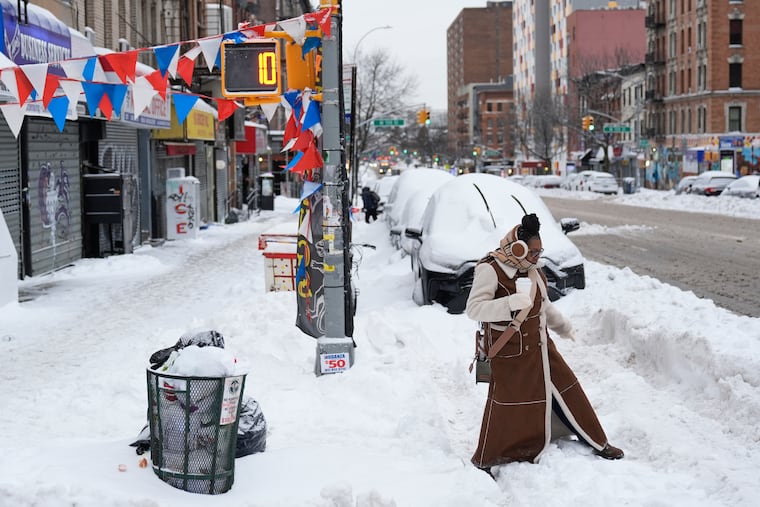
Northeast hit by heavy snow from major winter storm, with at least 25 deaths confirmed.
As the U.S. workweek commenced, the Northeast faced yet another bout of severe winter weather, the tail end of a colossal storm system that has wreaked havoc across the region. The situation has left many parts of the South grappling with the consequences of freezing rain, resulting in the loss of power for hundreds of thousands and, tragically, at least 25 confirmed fatalities.
The winter storm produced an extensive snowfall, with accumulations exceeding one foot across a swath stretching 1,300 miles from Arkansas to New England. This significant snowfall led to halted traffic, numerous flight cancellations, and widespread school closures on Monday. According to the National Weather Service, certain areas north of Pittsburgh recorded up to 20 inches of snowfall, with wind chills expected to plunge as low as minus 25 degrees Fahrenheit late Monday into Tuesday.
The rising death toll associated with the storm includes several incidents involving snowplows in Massachusetts and Ohio, as well as sledding accidents that claimed the lives of two teenagers in Arkansas and Texas. In New York City, officials reported that eight individuals were found deceased outdoors throughout the frigid weekend, emphasizing the dangers posed by exposure to extreme weather.
As the storm progressed, over 750,000 power outages were reported nationwide by Monday afternoon, with the majority occurring in the Southern states. Freezing rain over the weekend snapped tree limbs and power lines, leading to significant outages particularly in northern Mississippi and parts of Tennessee. In Mississippi, officials highlighted the severity of the ice storm, describing it as the worst since 1994, and making urgent efforts to provide warming stations equipped with cots, blankets, bottled water, and generators.
Utility companies in New Albany, Mississippi, indicated that some areas could remain without power for as long as a week. The impact of the storm on local residents was palpable; many experienced damage to homes and vehicles due to fallen tree branches.
Additionally, the storm resulted in significant disruption to air travel, with more than 8,000 flight delays and cancellations reported across the country, marking one of the most significant disruption days for air travel since the onset of the COVID-19 pandemic.
While further light to moderate snow was anticipated for New England, the Midwest, South, and Northeast faced subzero temperatures in the aftermath of the storm. This brutal cold contributed to record low temperatures across the lower 48 states, with the exception of Florida, which experienced unseasonably warm weather.
In Nashville, Tennessee, while many residents regained power, over 170,000 others remained without electricity. Hotels were fully booked as families sought refuge from the freezing conditions. The challenges faced by families were underscored by stories of individuals like Alex Murray, who booked a hotel room to preserve essential supplies for his infant daughter, highlighting the precarious situation many residents find themselves in during these harsh weather conditions.
The storm’s toll was not limited to power outages and property damage; it also resulted in a tragically high death count across multiple states, including fatalities due to exposure, accidents, and related weather incidents. Law enforcement agencies and emergency services are working around the clock to assist those affected and assess the ongoing challenges posed by the unprecedented winter weather event.
As temperatures drop and the effects of the storm linger, communities are left to navigate the aftermath of this challenging weather event, emphasizing the need for preparedness and resilience in the face of nature’s harshest elements.
Media News Source.


