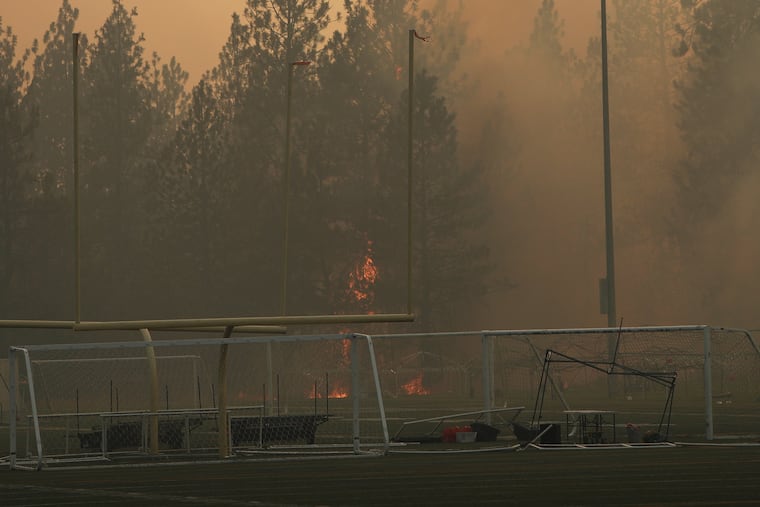
Northern Hemisphere Experiences Widespread Fire, Heat, and Smoke Due to Unprecedented Weather Conditions
In July 2023, major wildfires ravaged significant portions of North America and Europe, creating hazardous conditions characterized by overwhelming smoke and soaring temperatures. Cities such as Chicago and New York faced orange and white skies, while regions like Madrid and Bordeaux struggled against encroaching flames. As vast forests and rural communities in Canada and Oregon succumbed to fire, the repercussions extended far beyond the flames themselves, affecting air quality and public health across substantial areas.
A recent analysis of wildfire smoke indicated that approximately 20% of the Northern Hemisphere—over 7.5 million square miles—experienced moderate or higher concentrations of black carbon in July. The impacted areas included large portions of North America, extending into the Arctic Circle, along with regions in Western and Southern Europe and parts of Russia. This alarming trend underscores the escalating frequency and intensity of wildfires connected to climate change, exemplifying a summer where extreme weather patterns triggered a catastrophic synergy of heat and fire.
Experts have noted that this summer’s conditions represented a “perfect storm” for wildfires, driven by high temperatures and strong winds that rapidly spread flames. Firefighters in regions like Minnesota and Ontario observed devastating fire outbreaks, leading to smoke blankets that affected air quality across the Midwest and East Coast. Cities such as Cleveland, Denver, and Philadelphia reported multiple days with dangerous smoke concentrations, causing health officials to warn about the risks associated with exposure, including increased rates of heart disease, asthma attacks, and strokes.
Data show a direct correlation between record-breaking heat waves and wildfire occurrences. Research indicates that from 2001 to 2024, over 40% of areas burned in the western United States were affected during or immediately after extreme heat events. Climate scientists emphasize that the overlap between heat, dryness, and wildfires reflects a disturbing reality linked to global warming. While heat domes can create conditions conducive to fire, they do not directly cause wildfires. Nevertheless, the potential for devastating fires significantly rises in such climates, prompting concerns about future wildfire seasons.
As firefighters have made strides in containing significant blazes, communities are beginning the arduous process of recovery. In the Bordeaux region, authorities have allowed nearly 150,000 residents to return home, although the economic and ecological damage remains profound. Experts warn that such recovery efforts will require extensive support as communities grapple with rebuilding and restoring livelihoods.
Looking ahead, many are preparing for a continuation of these extreme conditions. Recent wildfires in elements like Spokane compelled widespread evacuations, with the American West bracing for more. Alongside rising temperatures expected to exceed 115 degrees Fahrenheit in areas like Phoenix, the implications of this summer’s extreme weather will likely shape the ongoing narrative of climate change and its impact on public health and safety in the future.
The interconnectedness of climate change, wildfire intensity, and extreme weather events remains a pressing concern. A recent report highlighted how unusual climatic factors, such as changing jet streams and marine heat waves, contribute to the conditions ripe for wildfires. The possibility of these intertwined phenomena becoming the new normal raises critical questions about the future of the planet.