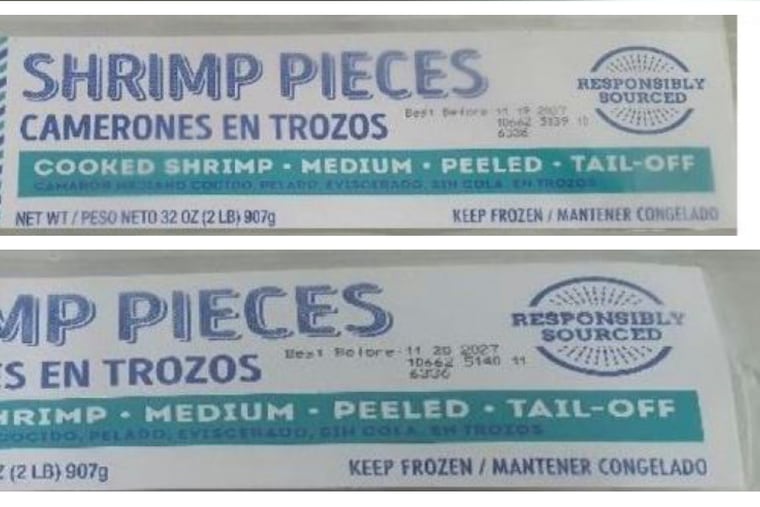
Numerous companies recall thousands of shrimp packages due to potential radioactive contamination concerns.
In a significant food safety alert, multiple companies are recalling thousands of packages of imported shrimp sold at major retailers such as Walmart and Kroger due to potential radioactive contamination. The U.S. Food and Drug Administration (FDA) has received reports concerning shrimp possibly containing Cesium-137, a radioactive isotope, prompting these recalls.
AquaStar USA Corp., based in Seattle, has announced the recall of over 26,000 packages of refrigerated cocktail shrimp that were sold across 27 states between July 31 and August 16. Additionally, the company is also recalling approximately 18,000 bags of Kroger-branded cooked, medium peeled, tail-off shrimp, which were available in 17 states between July 24 and August 11.
Meanwhile, H&N Group Inc., a wholesale seafood distributor located in Vernon, California, has initiated a recall involving more than 17,000 cases of frozen shrimp distributed to grocery stores on the East Coast. This action was also taken following the detection of Cesium-137.
The FDA has categorized the health risk associated with low-level exposure to Cesium-137 as a potential concern, although the overall risk appears minimal to consumers. Federal officials have indicated that while no shrimp containing Cesium-137 was sold, other shipments may have been affected due to manufacturing practices that might have allowed for contamination.
The FDA issued a safety alert regarding certain frozen shrimp imported from PT. Bahari Makmur Sejati, an Indonesian enterprise. This alert was prompted by the detection of Cesium-137 in shipping containers sent from the company to U.S. ports. In a proactive measure, the FDA has added the firm to an import alert aimed at preventing contaminated products from entering the U.S. market.
Investigators are currently examining how the shrimp and containers became contaminated, but details remain sparse as federal officials continue their inquiry. Customs and Border Protection officials initially flagged the potential contamination in shipping containers arriving at U.S. ports in Los Angeles, Houston, Miami, and Savannah, Georgia, leading to FDA testing that confirmed the presence of Cesium-137 in a specific sample of shrimp.
Experts in nuclear radiation have assessed the situation and confirmed that while the detected levels present some risk, they are significantly below the FDA’s established threshold of 1,200 becquerels per kilogram, which would require health protection measures. The concentration found in the shrimp was approximately 68 becquerels per kilogram. Instances of Cesium-137 in shrimp are typically uncommon, with regular levels from the Pacific Ocean being around 100 times lower than those identified in this recent case.
As authorities continue to investigate the source and implications of the contamination, food safety experts emphasize the importance of transparency when it comes to public health and safety.