NWS Announces Staffing Reductions Amid Severe Flooding in Texas
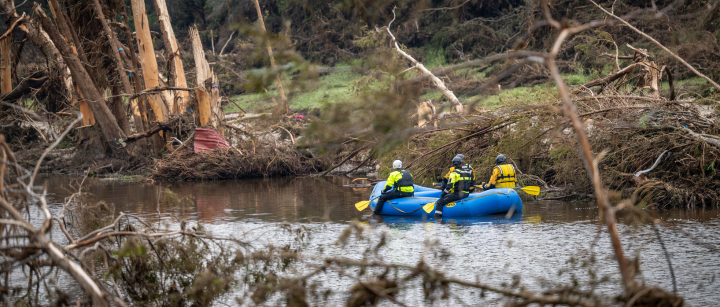
As severe flooding swept through Texas in early July, the resulting loss of life and property drew national attention and prompted serious discussions regarding the National Weather Service (NWS) and its operational efficacy. The devastation from the flooding event, which claimed at least 120 lives and left more than 170 individuals unaccounted for, raised questions about the relationship between staffing levels at the NWS and the ability to effectively predict and respond to such catastrophic weather phenomena.
Contrary to claims circulating on social media, the Trump administration did not “defund” the NWS but did implement staffing reductions of approximately 600 employees over the preceding year. However, experts have indicated that the local forecasting offices were sufficiently staffed during the critical moments leading up to the flooding, which commenced in the early hours of July 4. These offices performed their duty in delivering timely and accurate warnings to communities along the Guadalupe River, demonstrating the resilience and dedication of the NWS personnel involved.
Pat Fitzpatrick, an assistant professor of atmospheric science at Texas A&M University-Corpus Christi, affirmed that local officials adhered to established protocols before and during the storm. He emphasized that the NWS executed its procedures correctly, issuing urgent flood warnings as conditions evolved rapidly. Despite the staffing cuts, the NWS’ performance in this event was commendable, illustrating the organization’s ability to respond effectively under pressure.
However, some Democratic lawmakers have requested an investigation into whether the existing vacancies within key positions at NWS offices contributed to the overall impact of the flooding. Specific roles that could have enhanced coordination with local responders remained unfilled during this critical time. Experts highlight that while the forecasting alerts were issued, the challenge often lies in ensuring that these messages effectively reach the public, especially in scenarios where the flooding occurs late at night when many residents may be asleep.
Alan Gerard, a former director with the NWS, noted that the flash flooding presented an unusual and extraordinary scenario, exacerbated by timing factors linked to a holiday weekend. Gerard’s insights underline the complexity of predicting rare weather disasters, which often involve multiple risk factors aligning in particularly unfortunate ways.
The financial landscape affecting the NWS has also raised eyebrows. Proposals hinting at potential budget cuts for NOAA in future fiscal plans have ignited further concern about the sustainability of weather forecasting capabilities. These budgetary considerations may limit technological advancements crucial for predicting severe weather events, a topic raised in an open letter from former NWS directors.
Ultimately, while the loss experienced in Texas is tragic, the event notably underscores the critical importance of continued support for weather forecasting organizations. The NWS remains a pivotal player in public safety and disaster preparedness, and maintaining its operational integrity is vital for safeguarding communities from future disasters. As the dialogue continues, it is essential to focus on enhancing communication systems and improving staff resources to better serve the public and mitigate risks associated with severe weather events.
#MiddleEastNews #PoliticsNews