Ocean City family sells historic property amid community changes.
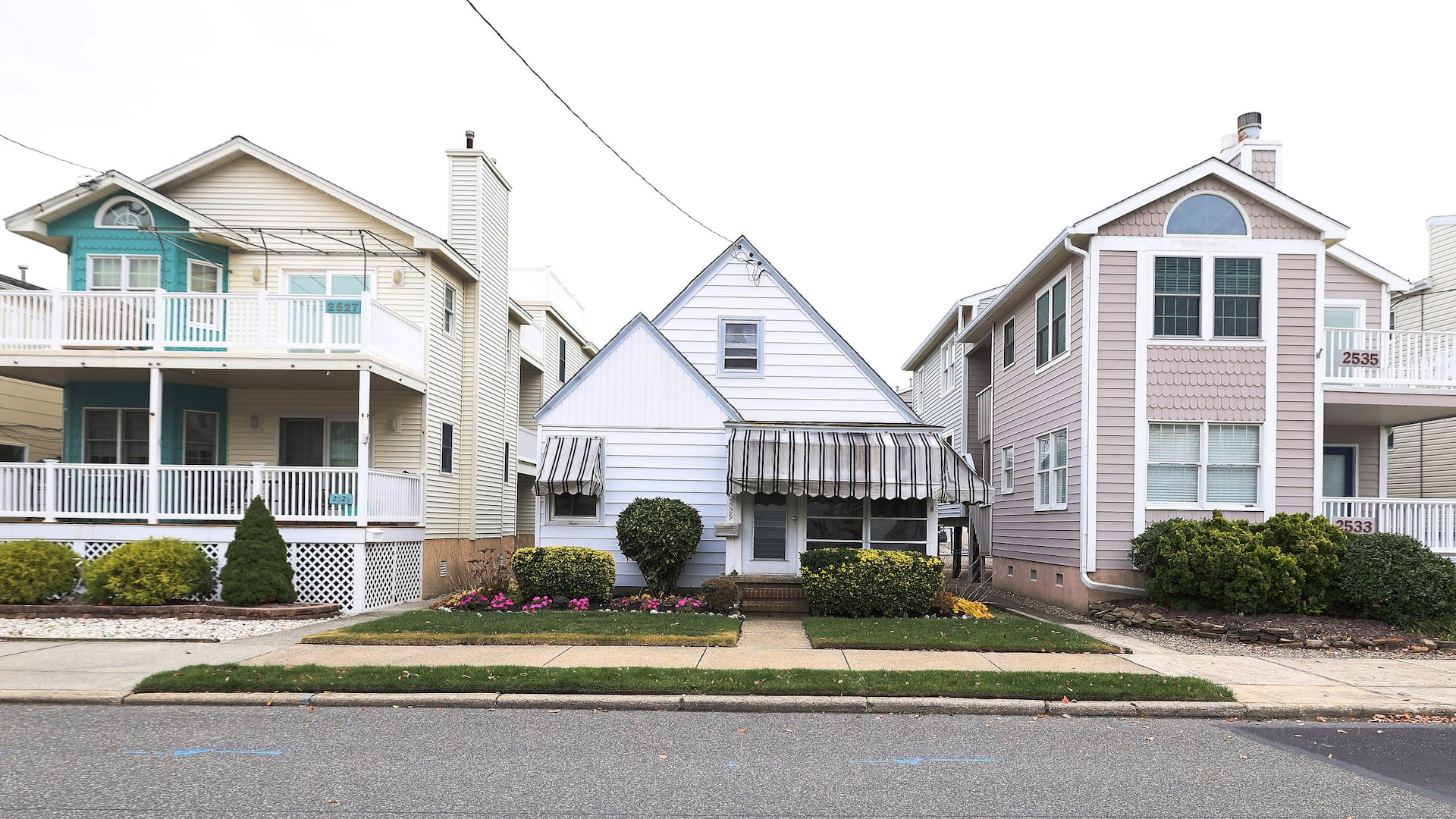
The impending demolition of a family-owned property at 2529 Asbury Ave. in Ocean City, New Jersey, highlights a growing trend in the area’s real estate market. This 957-square-foot Cape Cod home, which has remained in the Smith family for 69 years, is now on the brink of being torn down. Nestled within a community that has seen significant changes over the decades, the Smith family grapples with the likely loss of a cherished legacy.
Originally purchased for ,500 in 1956 by Norman Sr. and Elizabeth Smith, this modest residence has served as a vital summer gathering place for their family, including their three sons and numerous grandchildren. David S. Smith, whose parents bought the home, expressed his dismay over its impending fate, noting the emotional ties that have developed over generations. The property was recently listed at .4 million and quickly attracted numerous offers, primarily from developers eager to capitalize on the location by replacing it with more lucrative duplexes.
In 2024, a total of 137 homes were demolished in Ocean City, a trend that raises concerns about the preservation of the community’s architectural heritage. Currently, there are approximately 1,400 homes in Ocean City that are over 100 years old. According to Bill Merritt, president of the Friends of OCNJ History & Culture, these demolitions are driven not only by economic incentives but also by the area’s zoning regulations, which favor the conversion of single-family homes into multi-family units.
The shift from single-family residences to duplexes has contributed to an increasingly competitive market, where developers can outbid individual buyers who seek to restore older homes. The Smiths are acutely aware of this dynamic, as they have witnessed their neighborhood transform from quaint cottages into larger, more modern structures.
Despite local efforts to protect historic homes—such as the establishment of a historic district in 1992—many older buildings continue to be replaced by new constructions. Merritt argues that each demolition not only erases a physical structure but also diminishes the community’s rich historical tapestry.
As the Smith family prepares to bid farewell to their long-held property, they hope a single-family home will eventually take its place. The emotional attachments formed over decades are irreplaceable, and the family mourns the potential loss of their history tied to the home. While their wishes may not influence the outcome, the sentiment reflects a broader concern about the ongoing changes within Ocean City, where older homes and the stories they hold are increasingly at risk of being forgotten.
This evolving landscape raises significant questions about community identity and preservation, underscoring the need for a more balanced approach to development that respects historic significance while meeting modern housing demands.