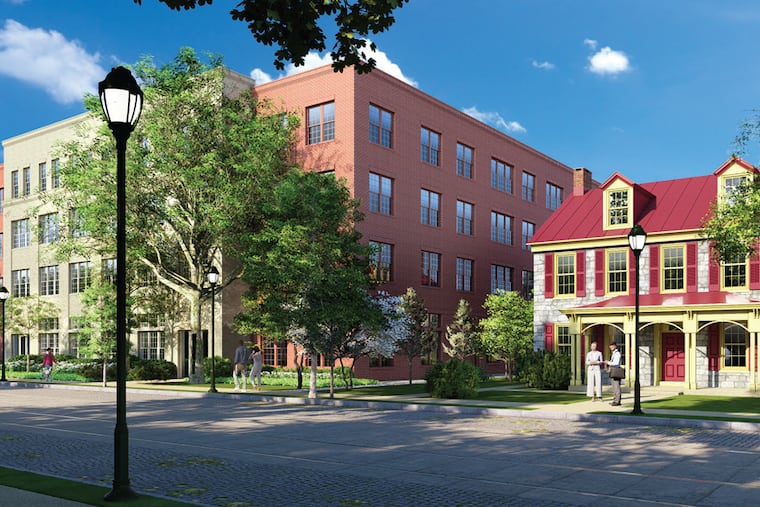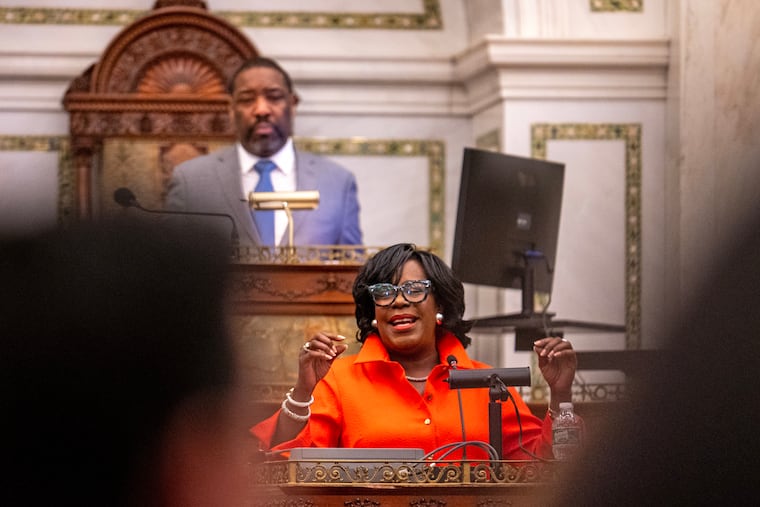
Parker and City Council need to collaborate on solutions for affordable housing.
As City Hall moves forward with plans to secure approximately 0 million in funding for housing initiatives, it becomes crucial to ensure these financial resources are allocated wisely and effectively. The Philadelphia City Council and Mayor Cherelle L. Parker have been embroiled in discussions centered around the varying income thresholds for the city’s housing subsidy programs. Instead of continuing divergent paths, it is essential for both parties to coordinate their efforts to achieve the ambitious objective of providing 30,000 new and renovated homes.
The ongoing dialogue regarding Parker’s Housing Opportunities Made Easy (H.O.M.E.) program has highlighted a significant divide between those classified as low-income and those considered to be moderately affluent. With her experience in representing neighborhoods such as Cedarbrook and Oak Lane, Parker aims to include households whose incomes may exceed the city’s average, yet still dwell in relative economic precarity.
Conversely, progressive factions within the city government advocate for prioritizing funding for individuals earning no more than 30% of the regional median income. Officials from Parker’s administration assert that a significant number of current beneficiaries already fall within this income bracket, with expectations that this trend will persist even if income qualifications are adjusted upward.
Despite the occasionally contentious exchanges between the mayor and critics, an opportunity for compromise exists. The two sides could find common ground regarding income eligibility criteria or consider Councilmember Jamie Gauthier’s suggestion to establish a priority lane for the most vulnerable residents.
Both parties recognize the value of existing programs, including Basic Systems Repair, Weatherization Assistance, and “tangled title” prevention initiatives, all designed to assist residents in retaining affordable housing. However, a critical element appears to be absent from the discussion: a robust plan for enhancing the framework necessary to facilitate large-scale affordable housing projects.
The city alone cannot hope to construct or renovate 30,000 homes independently; it must engage the private sector and foster collaboration with local developers. Philadelphia uniquely benefits from a strong private market that addresses working-class housing needs, as evidenced by initiatives like Jumpstart, which nurtures small-scale developers focused on affordable housing solutions.
While some community members remain skeptical about the role of private development in addressing housing needs, the reality is that a significant portion of Philadelphians live in non-subsidized housing. Therefore, it is essential to understand that a sustainable housing market inevitably requires profit-oriented development. Achieving comprehensive economic reform on a level that entirely removes reliance on the private sector is beyond the capabilities of any city administration.
Earlier in the year, Parker’s administration urged the City Council to explore zoning reforms, yet further action will be necessary to realize the housing goals established in the H.O.M.E. plan. Should the mayor be willing to challenge the traditional councilmanic prerogative, a more effective housing strategy could emerge. Additionally, reintroducing the full 10-year property tax abatement for newly constructed or renovated homes could incentivize developers and stimulate housing growth, as previous studies have identified this abatement as one of the nation’s most effective housing initiatives.
To further boost construction rates, leveraging H.O.M.E. bonds to establish a revolving loan fund aimed at financing affordable housing projects may provide the necessary momentum. While discussions about such a fund have taken place, there lacks a comprehensive plan for its implementation.
Addressing housing affordability remains an urgent challenge for Philadelphia. However, prudent decision-making and collaborative efforts between city officials will be paramount to ensure that more residents can achieve homeownership in the years to come.