
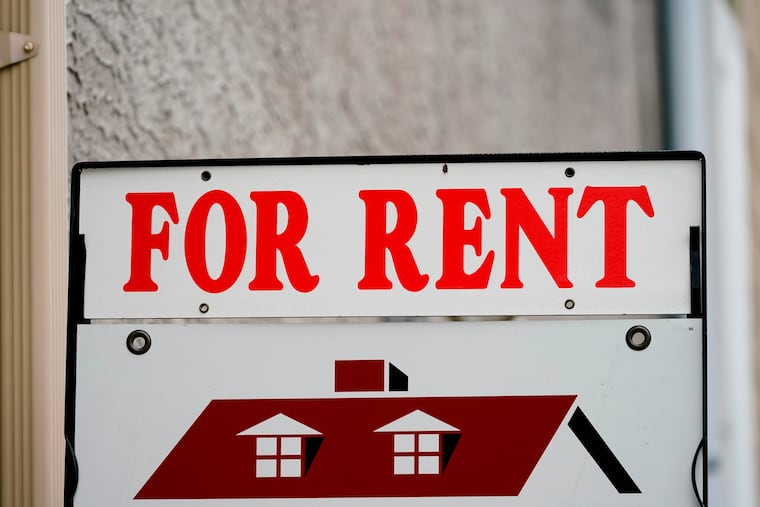
Parker’s H.O.M.E. initiative promotes investment in tenants for improved housing stability and community support.
Mayor Cherelle L. Parker’s H.O.M.E. initiative aims to facilitate housing development in Philadelphia, particularly focusing on low-income housing. By streamlining regulations and providing incentives such as subsidies and tax abatements, the initiative seeks to increase the availability of affordable housing, thereby promoting homeownership. Despite these efforts, there is skepticism regarding the feasibility of this approach, given the city’s current housing landscape.
Philadelphia ranks as one of the least affordable cities in the United States, particularly for renters. A study conducted by the Philadelphia Federal Reserve underscored this issue, indicating that the city has the lowest economic mobility in the nation. Key factors such as unstable incomes and a high cost of living hinder many residents from achieving financial stability and homeownership. To realize the goal of increased homeownership, it is essential for the Parker administration to lower living expenses or enhance wages, enabling residents to save adequately for down payments.
Although the One Philly Mortgage program is touted as a means to assist residents with lower down payments, the specifics surrounding its accessibility remain unclear. Particularly concerning is the absence of guarantees that it will benefact those classified as “very low income,” a group significantly affected by the housing affordability crisis in Philadelphia, as highlighted by reports from the Penn Housing Initiative.
Furthermore, the H.O.M.E. initiative appears to neglect renters, who are crucial stakeholders in the housing debate. The mayor’s recent spending proposals suggest that less than 15% of funds would be allocated to rental assistance programs, limiting support for those most in need. Notably, the initiative proposes to allocate over 0 million to developers and landlords without enforcing accountability measures. This lack of oversight raises serious concerns, especially when tenants face severe hardships due to inadequate living conditions in rental properties.
Current policy frameworks do not adequately protect tenants, with many suffering in silence while navigating substandard housing. Proposed stricter regulations by City Council members, such as the Safe Healthy Homes Act, aim to enhance tenant protections and improve living conditions. This includes initiatives for proactive inspections of rental properties and stronger penalties for landlords who fail to comply with housing codes.
As these discussions continue, it remains to be seen whether City Council members, particularly those on the housing committee, are willing to prioritize tenant protections over relationships with landlord lobbying groups. Campaign contributions from the real estate sector have significantly influenced funding in local elections, complicating the decision-making process regarding tenant advocacy. Residents are encouraged to voice their perspectives to City Council’s housing committee members, emphasizing the urgent need for policies that genuinely protect the city’s tenants.
In light of these developments, the effectiveness of Parker’s H.O.M.E. initiative and the broader housing strategy will hinge on the administration’s ability to address the pressing issues facing renters and maintain a balanced approach that ensures accountability from developers. Ensuring safe, affordable housing for all Philadelphia residents remains a critical challenge that demands immediate attention and action.


