Penn graduate launches Pickle, a fashion app enabling users to rent clothing from influencers’ closets.
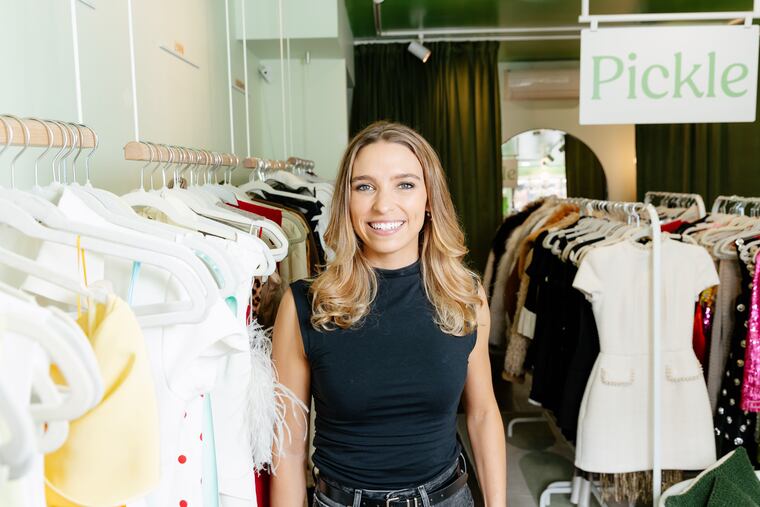
As summer 2025 approaches, a distinctive trend in the fashion industry is emerging: the practice of renting clothing directly from individuals. This innovative approach is epitomized by Pickle, a clothing rental service established in 2021 and co-founded by Brian McMahon and University of Pennsylvania alumna Julia O’Mara. Recently, Pickle secured million in Series A funding, positioning itself to become a significant player akin to “the Airbnb of fashion,” according to investor expectations.
Initially conceived as a social polling app for fashion advice, Pickle pivoted in 2022 after observing users’ willingness to share clothing from their own closets. The platform now facilitates rentals of garments, allowing users to rent outfits for days or weeks at a fraction of their retail price. Lenders can ship items nationwide or utilize local couriers like Uber or DoorDash for timely deliveries. Upon rental completion, garments are returned directly to the lender, who decides on the cleaning methods, as there is currently no standardized cleaning protocol.
The inventory on Pickle tends to lean towards trendy styles that aren’t quite luxury items. Users are often drawn to fashionable choices, from stylish wedding guest dresses to chic mini skirts and fashionable accessories. Due to its unique offering, Pickle has experienced a remarkable growth trajectory, tripling its monthly active users year-over-year. Notably, the platform now reportedly caters to one in four women aged 18 to 35 in Manhattan.
The rise of Pickle comes amid a saturated clothing rental market, where traditional subscription services such as Rent the Runway and Stitch Fix are witnessing a decline in customers. In contrast, newer models like Pickle’s peer-to-peer rental system are becoming increasingly attractive. O’Mara, who transitioned from a consulting role at Blackstone to focus on Pickle full-time, expressed the desire for a platform like this during her college years to alleviate the stress of finding fitting outfits for social events.
Major markets for Pickle include cities like New York, Los Angeles, and Miami, driven largely by the concentration of fashion influencers. Philadelphia, with a rapidly expanding user base, is anticipated to be the next hub for the platform. The founders advocate for a community-driven approach, aiming to foster trust and responsibility among users via a review system that incentivizes good behavior concerning rented items.
Ultimately, Pickle’s growth illustrates a shift towards more sustainable consumer practices in fashion, emphasizing the feasibility of clothing rental as a means of borrowing trendy items while reducing waste. As the platform continues to evolve, its potential to reshape the rental landscape is becoming increasingly evident.