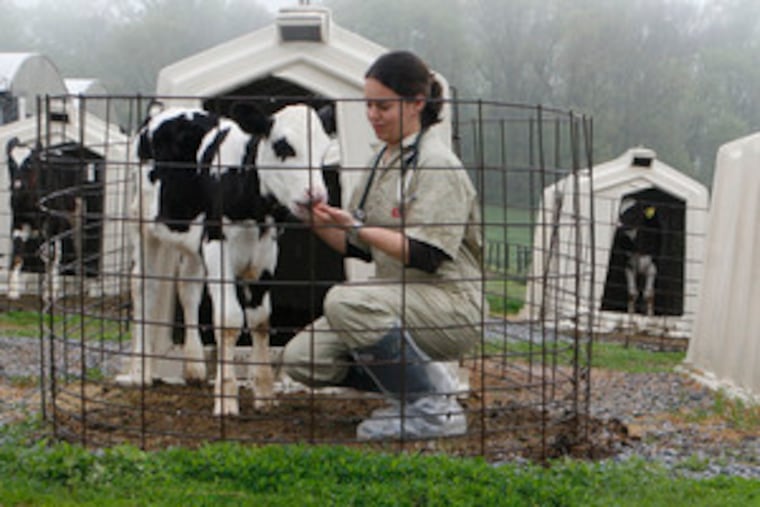
Penn Vet plans to establish a composting facility for deceased animals in West Marlborough.
New Bolton Center, an animal hospital affiliated with the University of Pennsylvania’s School of Veterinary Medicine, faces an increasing challenge as its caseload for large animals rises, resulting in a heightened need for effective animal remains disposal methods. With over 6,000 patients attending the facility annually, the safe and sustainable disposal of deceased animals has become a critical focus for the center, prompting plans for the construction of a composting facility on its 700-acre property in Chester County.
The proposed composting site, still in the early stages of planning, aims to address the realities of animal mortality. Preliminary discussions with local officials have commenced, including a recent community forum to gauge public sentiment on the initiative. While reactions from residents have been varied—ranging from concerns about potential odors and disease transmission to land contamination—local leaders, including the chairman of the municipal board of supervisors, have expressed understanding of the necessity for such a facility in a primarily agricultural region.
The composting facility would be strategically located near a small private airport to comply with building regulations related to height and electronic devices, as it would occupy agricultural land. The center’s proposal includes a comprehensive Hazard Analysis and Critical Control Points (HACCP) plan to ensure safety and environmental integrity. Mortality composting is a regulated method for livestock disposal in Pennsylvania, garnering support from existing agricultural practices.
Plans for the facility include a modern, 6,900-square-foot structure featuring a concrete floor, walls, and roofing designed to efficiently break down animal remains. This process would encompass a range of species from horses, cows, and sheep to alpacas and llamas. The compost produced is intended to be used as fertilizer for the center’s land, with careful regulatory adherence to ensure it is safe for the environment.
Simeone emphasizes that while the natural process of composting has been practiced for ages, their facility would integrate scientific principles to enhance efficiency. Their approach involves careful management of airflow, moisture, and temperature, all crucial for pathogen elimination and odor control.
Currently, New Bolton Center disposes of deceased animals either through landfills or by partnering with a nearby for-profit biomass recycling facility. However, reliance on external services carries risks of disruption, prompting the center to explore in-house composting as a sustainable alternative.
As the facility moves forward, the New Bolton Center strives to address the growing needs of its community while embodying responsible stewardship of the land. Through educational initiatives, they aim to promote a better understanding of animal remains recycling, showcasing its potential benefits and natural recycling attributes. As discussions continue, the center remains committed to developing a facility that prioritizes both environmental sustainability and the well-being of local wildlife.
The initiative is part of a broader response to the veterinary shortage for large animals and a sustained increase in patient care needs. As such, the center is committed to maintaining high standards in animal care while also being a responsible neighbor and steward in the Chester County community.
Media News Source.