Pennsylvania researchers call for increased NIH funding as government shutdown concludes.
The recent federal government shutdown has brought significant challenges to scientific research efforts at the Wistar Institute in Philadelphia, compounding difficulties already faced by researchers. Over the past year, federal research funding has experienced substantial fluctuations, leading to funding freezes and the cancellation of numerous grants. The shutdown further stalled vital processes, as the National Institutes of Health (NIH) ceased reviewing grant proposals from scientists nationwide, leaving many projects in limbo.
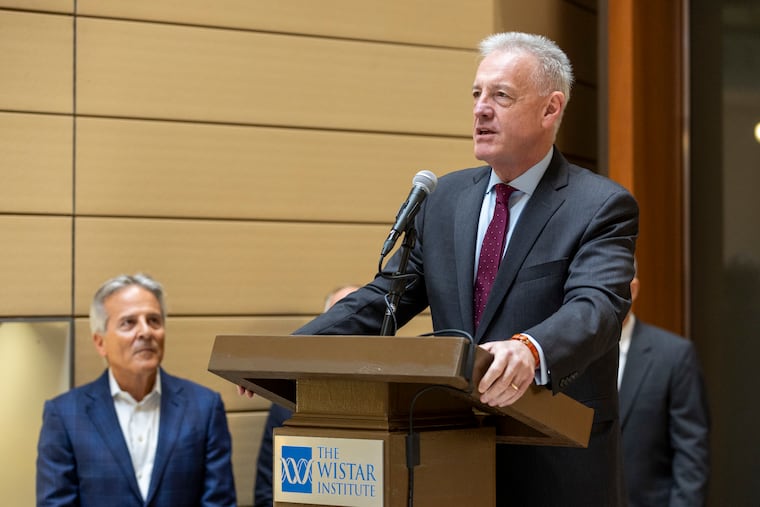
Dario Altieri, president and CEO of Wistar, expressed concerns about the institute’s future amid these funding uncertainties, especially in light of President Donald Trump’s proposals for further NIH budget cuts in the next fiscal cycle. Although Wistar was not severely affected by the initial cuts this year, the government shutdown prevented the anticipated review of crucial grant proposals, creating a halt in research activities.
With the shutdown now concluded, Altieri and a coalition of scientific research institutions across Pennsylvania are pressing lawmakers to prioritize NIH funding during ongoing budget discussions. The Pennsylvania Ad Hoc NIH Funding Advocacy Coalition has called on representatives in the House Appropriations Committee to support a .2 billion budget for the NIH in the upcoming fiscal year, aligning with similar advocacy efforts in the Senate. This funding proposal would represent an increase of 0 million rather than the 40% cut put forth by the Trump administration.
In their advocacy, the coalition previously reached out to Pennsylvania’s federal lawmakers, and a second letter reiterating the funding request has been sent, emphasizing the importance of sustained NIH support for biomedical research. The initial letter garnered signatures from prominent institutions, including the University of Pennsylvania and Children’s Hospital of Philadelphia, alongside Wistar and other specialized research centers.
Although University of Pennsylvania and Children’s Hospital of Philadelphia did not sign the subsequent letter, they have reaffirmed their commitment to advocating for increased NIH funding through other channels. Children’s Hospital officials highlighted their collective efforts to meet with legislators in Washington, D.C., underscoring the critical nature of preserving NIH funding to advance health research and save lives.
Altieri echoed this sentiment, stating that the pursuit of NIH funding transcends political affiliations. He emphasized the need for a unified approach to ensure that the health of all constituents in Pennsylvania remains a priority. The unpredictable nature of funding this year has heightened the urgency for consistency and collaboration across the scientific community.
As advocacy for increased NIH funding continues, stakeholders remain hopeful that collective efforts will prompt bipartisan support for research initiatives that are essential in addressing public health challenges. Such investments in biomedical research not only foster innovation but also contribute significantly to the well-being of the broader community.