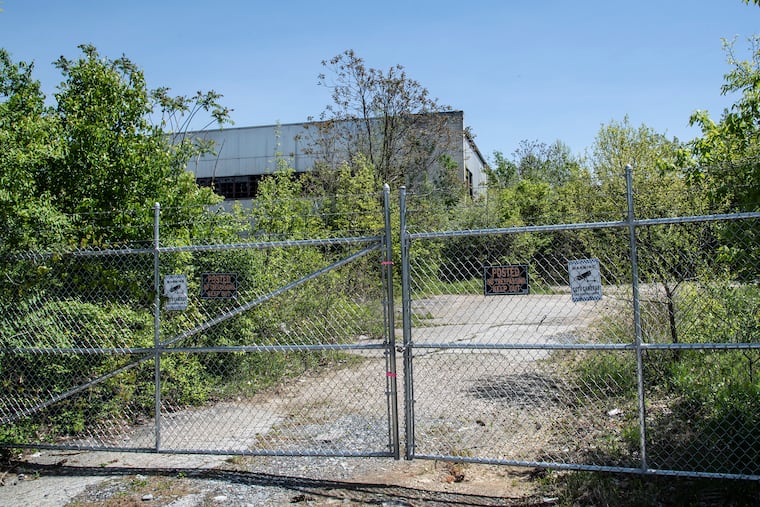
Pennsylvania secures .5 million settlement with polluters responsible for contamination at Bishop Tube site in Chester County.
Pennsylvania environmental officials have reached a significant settlement with multiple companies for the cleanup of pollution at the former Bishop Tube site, located in Chester County. The Pennsylvania Department of Environmental Protection (DEP) announced that three companies will collectively contribute nearly .5 million to address the contamination of the 13.7-acre site in East Whiteland Township.
The agreement includes a trust fund established for any potential further remediation work that may be necessary in the future. The consent from the involved companies signifies a collaborative approach to rectifying the environmental issues stemming from the site’s industrial past. The DEP emphasizes the importance of accountability for responsible parties in the clean-up of historic contaminated industrial locations.
The Bishop Tube site has a long and complex history, operating from 1951 until its closure in 1999. It was primarily a manufacturing facility for steel tubing but left behind hazardous waste linked to outdated practices, notably the use of trichloroethylene (TCE), a chemical commonly employed as a degreaser. Since the cessation of operations, TCE has been detected at levels exceeding state regulations in both the soil and groundwater of the site. Other contaminants, including per- and polyfluoroalkyl substances (PFAS), have also been identified in the area per DEP records.
Currently, the property is owned by Constitution Drive Partners L.P., which has proposed residential development for the site, although it did not contribute to the pollution issues in question. The site has been included in Pennsylvania’s Priority List of Hazardous Sites, endorsing its need for immediate remedial action.
In alignment with state protocols, the DEP has crafted a comprehensive cleaning strategy under Act 2, which pertains to the redevelopment of brownfields—previously utilized industrial or commercial properties. A contractor is actively engaged at the site, conducting soil boring and installing monitoring wells to facilitate the cleanup process.
The financial contributions from the companies involved—JMI and Whittaker, which will jointly pay approximately .3 million, along with .25 million from CDP and 0,000 from Marcegaglia—underscore a significant commitment to environmental restoration. Collectively, they have also set aside an additional .5 million for future needs associated with the cleanup.
As efforts to restore the Bishop Tube site proceed, the implications of this agreement could set a precedent for similar industrial sites in Pennsylvania facing environmental rehabilitation challenges. This development reflects an evolving approach to managing pollution and promoting community health and safety through responsible redevelopment.