Pennsylvania’s River of the Year voting is now open for the Lower Schuylkill.
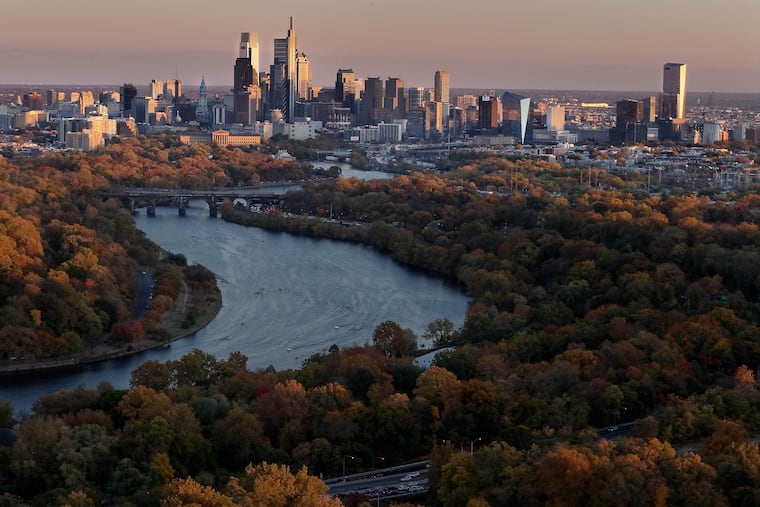
The lower Schuylkill River stretches 36 miles from Phoenixville in Chester County to its confluence with the Delaware River at Philadelphia’s Navy Yard, serving as a crucial aquatic habitat that supports over 40 species of fish. As an urban waterway, it doubles as a popular attraction in Center City, offering picturesque views and a trail that attracts thousands of hikers and cyclists daily.
In a notable initiative for 2026, the lower Schuylkill is competing for the title of Pennsylvania’s River of the Year, an annual program aimed at highlighting the state’s important waterways. Online voting for this designation began on December 9 and will continue until January 16, allowing Pennsylvanians to cast their votes among three contenders: Chillisquaque Creek, the Conestoga River, and the lower Schuylkill.
The River of the Year program is administered by the Pennsylvania Organization for Watersheds and Rivers, and it receives funding from the state’s Department of Conservation and Natural Resources (DCNR). The initiative seeks to raise public awareness about the ecological significance of these rivers. The winning river’s nominating organization is awarded a ,000 grant from the DCNR to support yearlong celebrations, including various community involvement and recreational activities, while a commemorative poster is produced in honor of the river.
Jackson Quitel, a river programs coordinator with the nonprofit LandHealth Institute, spearheaded the nomination of the Schuylkill and emphasized the organization’s commitment to educating the public about the river’s ecological assets. Quitel noted that, while the Schuylkill River is a well-known waterway, many are unaware of the diverse recreational opportunities and ecological phenomena it offers. His organization aims to enhance public engagement through guided activities like fishing and kayaking and has facilitated outings for over 500 individuals in 2025. A victory for the Schuylkill could significantly expand their outreach efforts.
Joe Syrnick, executive director of the Schuylkill Development Corporation, echoed the importance of the river, referring to it as a major asset for the region. He expressed hope that the river would receive the recognition it merits. Historically, the Schuylkill was a vital resource for the Lenni Lenape people but later suffered from extensive pollution due to coal mining and industrial waste. Aided by the protections of the federal Clean Water Act, the river has experienced a resurgence in health and vitality.
The Schuylkill River plays an essential role as a water source, providing drinking water to approximately 1.5 million residents through its Fairmount Water Works, which established the nation’s first municipal-scale water system. Recent infrastructural developments, including a million pedestrian-only bridge in the Schuylkill Banks section of Center City, further enhance public access to the river, offering sweeping views and an extension of the existing trail known as the Christian to Crescent Trail Connector.
Described by the DCNR as an “urban oasis” amidst a vibrant metropolis, the lower Schuylkill River exemplifies Pennsylvania’s rich aquatic heritage among its 25 rivers, of which six are federally designated as wild and scenic. The state is noted for having the highest stream density in the continental United States, with a total of 85,000 miles of waterways. In the previous year, the Delaware was recognized as the River of the Year, exemplifying the ongoing efforts to celebrate and protect Pennsylvania’s significant natural resources.