Pennsylvania’s unregulated cannabis stores are thriving, yet tests reveal products contain harmful and illegal chemicals.
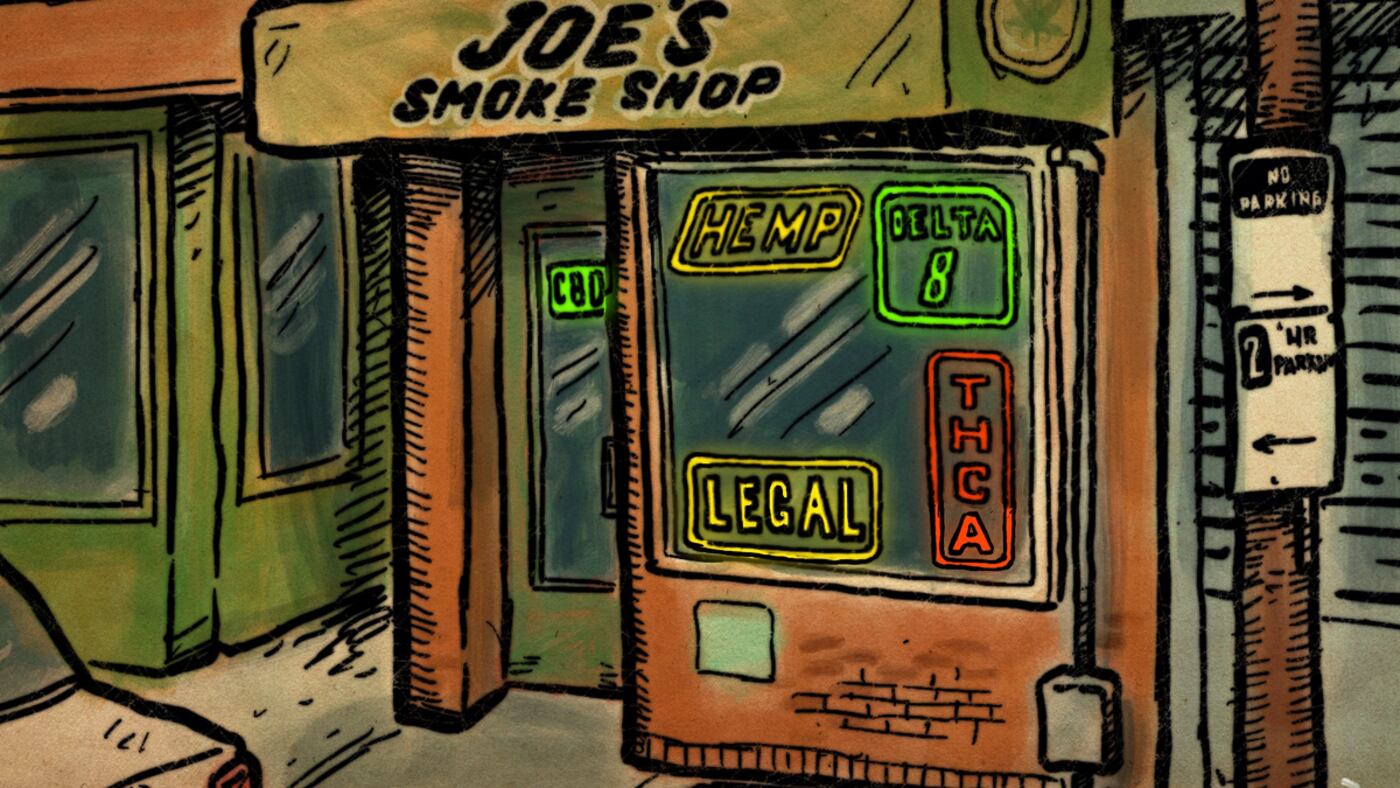
In Pennsylvania, the ongoing debate over the legalization of recreational marijuana has given rise to an expansive gray market for hemp-derived products. Over the past seven years, establishments throughout the state, from wellness shops in South Philadelphia to retail outlets such as those at the King of Prussia Mall, have offered products that closely resemble marijuana in appearance and aroma. These items are sold in a variety of forms, including loose products in unlabeled jars, pre-rolled joints endorsed by celebrities, and a spectrum of edibles.
The loophole stems from the 2018 U.S. Farm Bill, which legalized the sale of hemp products containing less than 0.3% Delta-9 tetrahydrocannabinol (THC), the active component in cannabis that produces psychoactive effects. However, various forms of psychoactive THC derived from hemp remain in a legal gray area, fueling a burgeoning multibillion-dollar industry that largely operates without extensive regulation or oversight.
An investigation conducted by an investigative outlet in the region uncovered troubling facts about the safety and legality of the products being sold in Pennsylvania. Over just a few months, journalists procured 10 separate hemp products from various stores and commissioned a laboratory to analyze them for potency and contaminants. The results were alarming: nine of the samples exceeded the 0.3% THC threshold stipulated by the Farm Bill, with some samples containing THC levels over 2,400% higher than federal limits. In addition, these tests revealed that many products were simply black market marijuana sold under the guise of legal hemp.
The laboratory analysis also detected contamination in eight of the samples, with seven showing evidence of the fungus Aspergillus, known to pose respiratory risks when inhaled. Furthermore, some items exceeded legal pesticide limits, including harmful substances banned domestically and internationally. Despite this, many products came with allegedly legitimate “certificates of authenticity,” which upon investigation were found to be misrepresented or outright fraudulent.
While entire sectors of the hemp market adhere to legal standards, the lack of a cohesive regulatory framework in Pennsylvania means consumers remain at risk. The unchecked proliferation of hemp products has implications for public health, especially given that the long-term effects of many of these unregulated products are poorly understood.
As legislative discussions around recreational marijuana continue with little progress, the state finds itself in a confusing regulatory landscape. Local law enforcement varies in its interpretation of the law, complicating enforcement efforts and consumer safety. With some states actively considering bans on certain hemp-derived products, the ongoing situation in Pennsylvania highlights the pressing need for clearer regulations and oversight regarding these rapidly expanding markets.
Despite the challenges, advocates for cannabis reform like Chris Goldstein assert that the lack of comprehensive regulations has catalyzed the current proliferation of ineffective and potentially dangerous products. The potential impacts on minors and those with health vulnerabilities are a growing concern that lawmakers are increasingly unable to ignore. As they contemplate the future of cannabis legislation, the nearly decade-long impasse leaves both consumers and retailers searching for clarity and safety in a market that many describe as akin to the “Wild West.”
Overall, the gray market for hemp-derived products in Pennsylvania signifies broader challenges. As stakeholders push for reform, the intersection of law, public health, and industry practices will become increasingly crucial in shaping the future of cannabis in the state. Media News Source.