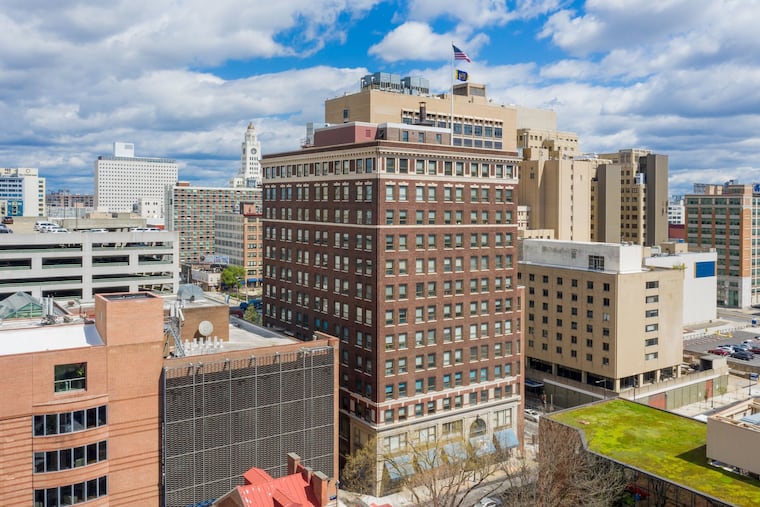
Permits for 824 apartments approved before housing ban at former Hahnemann Hospital site.
In a significant development regarding the future of the area surrounding the former Hahnemann University Hospital, a substantial number of residential permits have been issued in the past month, despite recent efforts by Philadelphia Councilmember Jeffery Young to halt such developments. Since Young introduced a bill aimed at banning residential construction around the historic site, the city has authorized 824 new apartment units in the vicinity.
Among the recent permits granted is one for 163 residential units at 1501-11 Race Street, issued earlier this week. This piece of property was acquired by Brandywine Realty Trust in 2021 for approximately .7 million. While the firm did not provide immediate comments regarding its future plans for the site, it remains uncertain whether Brandywine intends to move forward with the apartment projects or simply secure permits in anticipation of a future sale.
Additionally, zoning permits were recently approved for Martinelli Park, a parcel at 300-304 N. Broad Street—the final section of the former hospital property that remains unsold. The HOW Group previously submitted an unsuccessful bid of .5 million for this location with intentions of developing multifamily housing.
Efforts to reach out to the trustees of Hahnemann University Hospital for their input were unsuccessful, raising suspicions that the permits might be procured primarily to maintain the value of the property. Both of the recently issued zoning permits involve a change of use for the buildings, necessitating that some form of construction must begin within six months to keep the permits valid and avoid the anticipated residential ban.
The expedited movement toward securing permits began shortly after Councilmember Young’s bill was introduced on December 24, and plans have emerged for a 361-unit apartment building at 222-48 N. Broad Street, a project previously in development by the Dwight City Group.
Young’s motivation for the proposed ban stems from a desire to protect employment opportunities in the city, aiming for a potential reuse of the site that focuses on office, medical, or educational developments. The councilman has expressed an eagerness for continued discussions with stakeholders to effectively address the future of this vital part of Center City.
Critics have raised concerns regarding the legality of the proposed legislation, with some legal experts labeling it as an example of “spot zoning,” which is the practice of targeting specific geographic areas for changes in land use regulations. It has been suggested that these efforts are aimed at benefiting or hindering particular projects rather than serving the broader public interest.
Hahnemann University Hospital, which closed its doors more than six years ago, has struggled to find a viable path for redevelopment; many of its vacant structures have remained unutilized. As the city grapples with the implications of residential versus commercial development in this historically significant location, the outcome will likely have lasting impacts on the community and local economy.
A City Council Rules Committee hearing regarding Young’s bill is scheduled for February 3, where these pressing issues are expected to be discussed in depth.
Media News Source