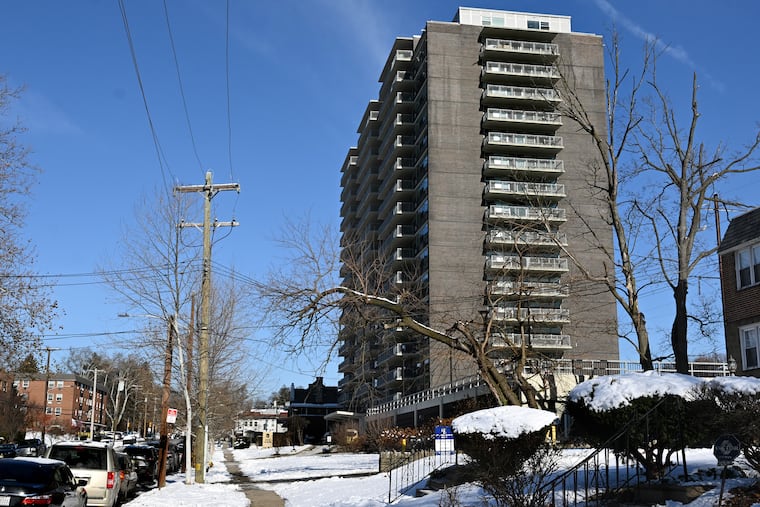
PHA acquires its first private apartment building; tenant opinions vary.
The Philadelphia Housing Authority (PHA) has initiated an ambitious strategy under CEO Kelvin Jeremiah aimed at significantly expanding the city’s affordable housing supply. This unprecedented approach commenced in 2025, focusing on the acquisition of struggling private-sector apartment buildings throughout Philadelphia. The agency, recognized as the largest affordable housing provider in the city, has invested approximately 0.6 million over the past 14 months to acquire 17 multifamily properties encompassing 1,515 units.
These acquisitions include a variety of properties, ranging from largely vacant new developments to student housing. Many of these buildings were occupied by tenants paying market-rate rents, which have fluctuated between ,106 and ,323. Traditionally, the PHA’s tenant demographic has comprised renters with annual incomes below ,000, marking a notable shift in approach as the agency seeks to attract Section 8 voucher holders who often face challenges securing housing within higher-income neighborhoods.
Jeremiah envisions that this strategy will provide residents with a broader range of housing options, transcending the limitations of specific neighborhoods. In a unique development, the PHA plans to maintain a segment of the newly acquired units at market rates, utilizing the revenue to offset operational expenses. The first property purchased in this new initiative was The Dane, a 233-unit building located in Wynnefield, where a mix of market-rate and subsidized tenants currently resides.
Despite the PHA’s intentions, the transition has not been without challenge. Some tenants have reported a rocky adjustment to PHA ownership. Allegations of insufficient management practices at The Dane, once under Cross Properties, led to numerous complaints about maintenance issues, with approximately half of the original occupants exiting the building since its acquisition. Even though many tenants cited better management under PHA, the transition has seen a significant turnover. Jeremiah indicated that some tenants left after the agency reinstated rent collection, following a period of non-compliance by the previous owner.
Scholars of housing policy note that PHA faces considerable scrutiny and pressure to realize its expansion ambitions effectively. Experts warn that the transition from private ownership to a public agency will likely yield varied experiences for tenants, a situation exacerbated by existing skepticism in various neighborhoods.
As the PHA moves forward, it continues to face the daunting task of ensuring that its new models for housing provision are effectively implemented and received positively by both existing and prospective tenants. The agency remains committed to promoting affordability and accessibility across disparate income levels while navigating the complexities inherent in this transformative approach to Philadelphia’s housing landscape.