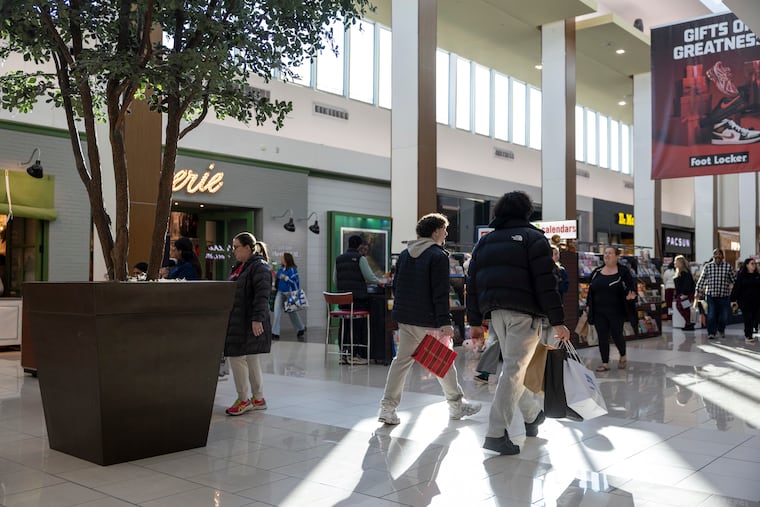
Philadelphia area shoppers are purchasing all their holiday gifts for 0 this season.
As the holiday season approaches, many individuals are opting for a more budget-friendly approach to gift-giving, embracing the trending concept of “Thriftmas.” This trend encourages people to purchase gifts secondhand, marking a shift in consumer behavior towards sustainability and financial prudence.
Kacii Hamer, a pre-K teacher and wedding photographer, exemplifies this change. At 33 years old, she recalls previous holidays filled with pressure to spend excessively on gifts. However, this year marks her first experience with “Thriftmas,” where she plans to restrict her total spending on gifts to approximately 0. That budget includes items such as a refurbished rocking horse for her goddaughter, acquired for just at a local thrift store in South Philadelphia. By opting for secondhand gifts, Hamer feels relieved from the financial stress that often accompanies the holiday season.
Hamer’s approach aligns with a broader movement characterized by a focus on reducing waste, saving money, and emphasizing the significance of thoughtful gifting over the mere accumulation of goods. Many participants in this low-buy or no-buy phenomenon have shifted their priorities, motivated by economic pressures such as inflation and the desire to minimize their environmental impact. According to the National Retail Federation, the average American adult is expected to spend about 8 on holiday gifts this year, contributing to an anticipated total holiday spending surpassing trillion for the first time.
Similar sentiments are echoed among other parents in the Philadelphia area. Heather Fertig, a stay-at-home mom, reported that about 80% of her toddler’s Christmas presents will be sourced secondhand. Through thrift stores and local online marketplaces, she aims to keep her overall holiday budget around 0 while contributing to environmental sustainability. Fertig notes that many parents are beginning to recognize the excessive waste and clutter often associated with the holiday season, leading her to rethink the necessity of new items.
Remarkably, this spirit of frugality and sustainability extends beyond mere financial considerations. Individuals like Mylena Sutton express that the current economic landscape has fostered more open conversations about the need to cut back on holiday spending. This year, many friends and family members are more understanding about the choice to gift less, providing a supportive environment for those who choose to participate in the Thriftmas movement.
The trend has gained traction not only due to economic factors but also through shifting cultural attitudes towards gift-giving. Participants are increasingly embracing the notion that meaningful gifts do not have to come from mainstream retailers and can often be found in local thrift stores or crafted by hand. As consumers navigate the pressures of holiday spending this year, the rise of Thriftmas highlights a transformative approach that prioritizes sustainable living, financial responsibility, and the heartfelt nature of gifting.
As more people embrace this new gifting philosophy, it becomes apparent that joy can be derived from creativity and intentionality rather than consumerism. Individuals are encouraged to reflect on their values and the significance of their gift-giving practices, ensuring that the focus remains on connection rather than material excess.
Media News Source acknowledges that this generational shift reflects a broader awareness and adaptability as consumers seek to redefine their holiday experiences amidst ever-changing economic landscapes.