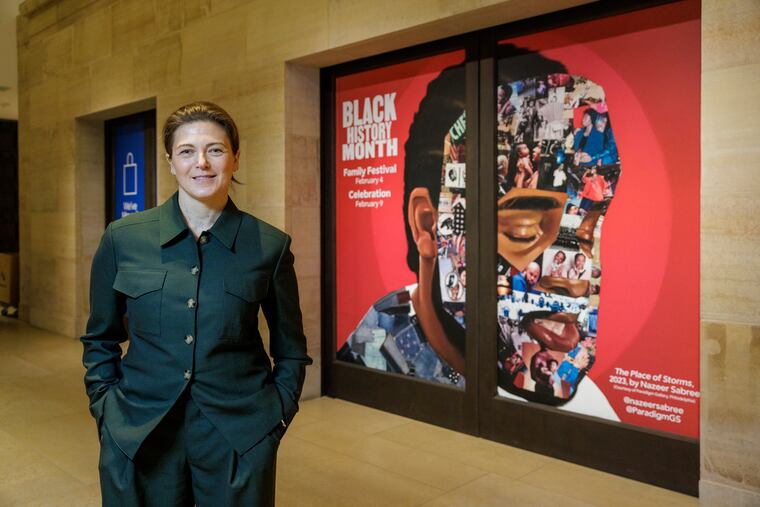
Philadelphia Art Museum director Sasha Suda removed following investigation conducted by a law firm, according to sources.
In a significant development, the Philadelphia Art Museum terminated the employment of its director and CEO, Sasha Suda, for cause after an independent investigation conducted by an external law firm. The investigation was prompted by concerns regarding Suda’s management and decisions during her tenure, a move that has raised eyebrows among board members and staff.
Mark E. Rubenstein, a member of the board’s executive committee, confirmed the investigation but refrained from detailing its findings, labeling the subject matter as serious. Diving deeper into Suda’s tenure, conflicting narratives have emerged regarding a salary increase she received, amounting to approximately ,000 over two years. Supporters of Suda contend that this increase was an authorized and fully disclosed adjustment related to cost-of-living standards.
In defense of Suda, her attorney, Luke Nikas, accused a faction within the board of orchestrating what he termed a “sham investigation” to justify her dismissal. This assertion reflects broader tensions within the museum’s governance structure. Following her termination, the museum expressed a commitment to focus on the ongoing work of its staff and upcoming programming, particularly aligning efforts towards future initiatives planned for the year 2026. A spokesperson for the museum stated that this incident is regarded as an internal matter, discouraging further comments.
Suda, who previously led the National Gallery of Canada, had only begun her five-year contract in 2022. Her departure comes at a time when the museum has faced significant operational challenges, including ongoing deficits and stagnant visitor numbers that have not yet rebounded to levels observed before the pandemic.
The board of trustees, which comprises influential figures in the local community, was reportedly unaware of the decision until an emergency meeting held on the day of Suda’s dismissal. This event has further illuminated divisions within the board regarding governance practices, particularly concerning the authority granted to leadership in decision-making processes, such as the recent rebranding of the museum.
The rebranding effort, which sought to update the museum’s public identity, was recently launched and has drawn criticism for its execution without full board approval. While the museum spent an estimated 0,000 on the initial phases of the rebranding, some sources have indicated that total expenses may exceed million when considering all components of the campaign.
In the aftermath of Suda’s exit, Louis Marchesano, the deputy director of curatorial affairs and conservation, has been appointed to oversee daily operations while the board deliberates on the next steps, including the potential appointment of an interim director. Rubenstein expressed confidence in the board’s capability to navigate these challenges, emphasizing the collective experience and commitment of board members to move the museum forward effectively.
As the Philadelphia Art Museum faces a pivotal moment in its administration, stakeholders remain attentive to how governance changes might influence the institution’s trajectory and operational health in the coming years.