Philadelphia begins real-time monitoring of public air quality with new network.
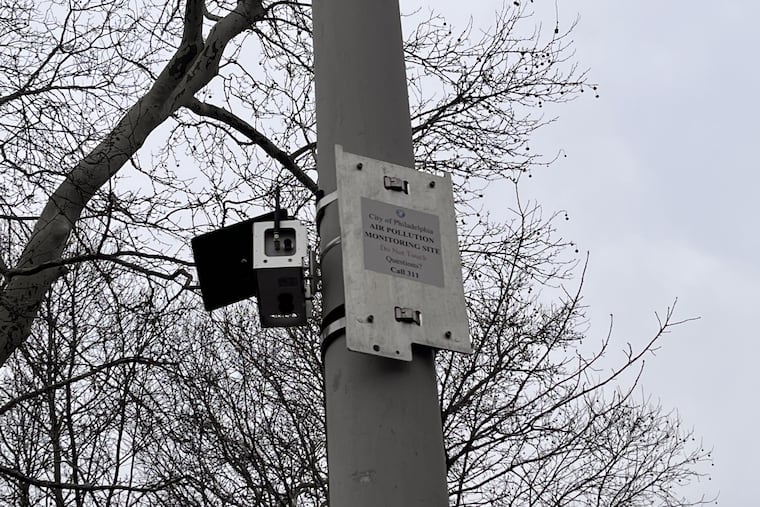
Philadelphia has unveiled a groundbreaking online dashboard that enables residents to evaluate outdoor air quality before engaging in recreational activities such as visiting parks, jogging, or cycling through the city. The new real-time air quality network, named Breathe Philly, employs solar-powered sensors strategically situated at 76 locations across each neighborhood to collect air quality data.
This innovative system is designed to alert residents to spikes in pollution, which may result from events such as fires or industrial incidents. According to Mayor Cherelle Parker, this initiative grants every Philadelphian the opportunity to access near real-time data regarding air quality in their respective areas. The sensors monitor two primary pollutants: fine particulate matter (PM2.5) and nitrogen dioxide (NO2).
PM2.5 consists of minuscule particles capable of infiltrating deep into the lungs, potentially leading to various respiratory issues, while NO2 is a significant contributor to ozone formation. The sensors are installed on utility poles at intervals of approximately 1.5 miles throughout the city, representing a substantial network designed to enhance community awareness and safety.
The introduction of this system marks a significant step toward environmental justice, particularly in neighborhoods that have historically lacked adequate air quality monitoring. Mayor Parker, alongside city officials and representatives from the Philadelphia Department of Public Health’s Air Management Services (AMS), launched the initiative at Stinger Square Park in Grays Ferry. The program, which operates independently of the city’s existing sensor system that provides data to the Environmental Protection Agency, will incur an annual cost of ,000, temporarily funded through the nonprofit Philadelphia City Fund.
Palak Raval-Nelson, the city’s health commissioner, emphasized the importance of this system, noting its potential to deliver crucial real-time information during pollution events, such as a recent fire that resulted in poor air quality readings. The air quality monitors utilize a user-friendly color-coded display system that visually indicates pollution levels, ranging from green (indicating good air quality) to purple and mauve (signifying poor air quality).
Council President Kenyatta Johnson articulated the importance of this technology, particularly for residents with pre-existing health conditions such as asthma, as it provides vital information for making informed decisions about outdoor activities.
Furthermore, Alex Bomstein, the executive director of the Clean Air Council, hailed the network as a vital enhancement to public safety. As the landscape of environmental regulations evolves, maintaining vigilant air quality monitoring becomes increasingly important in safeguarding public health and well-being. The partnership with Clarity Movement Co., which has successfully deployed similar systems in cities like Los Angeles and Chicago, demonstrates Philadelphia’s commitment to advance its air quality initiatives with the support of innovative technologies.