Philadelphia business owners may be able to save thousands through an underutilized financial resource.
In Philadelphia, an often-overlooked resource for businesses seeking financing is the Philadelphia Industrial Development Corporation (PIDC). This nonprofit organization, established through a collaboration between the City of Philadelphia and the Greater Philadelphia Chamber of Commerce, is dedicated to providing a range of financial support to diverse businesses with the goal of creating jobs and fostering neighborhood revitalization.
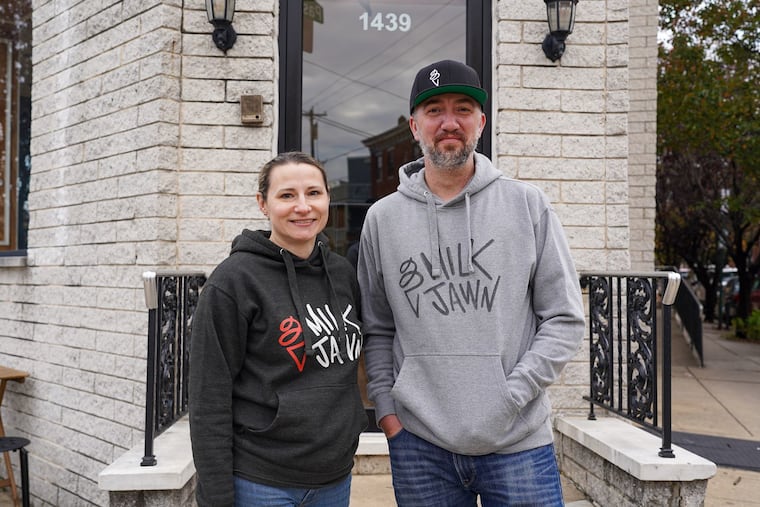
One notable success story is Milk Jawn, an ice cream shop located in East Passyunk. The establishment utilized PIDC financing to facilitate its expansion. Amy Wilson, the founder of Milk Jawn, highlighted the importance of this funding, stating that PIDC was their initial source of institutional financing, allowing them to transition from early growth reliant on personal networks and crowdfunding to a more sustainable business model.
PIDC’s mission is to assist companies in their expansion efforts, catering to a wide variety of businesses that may qualify for financial aid. According to Kevin Lessard, a senior vice president at PIDC, the organization aims to serve as a partner for business growth by assisting entrepreneurs and developers in overcoming obstacles that may hinder their success in the city. To be eligible for PIDC loans, businesses must operate within Philadelphia, have a minimum of two years in operation, and generate at least 0,000 in annual revenue. Special consideration is given to applications that propose funding projects in low-income areas or are presented by disadvantaged entrepreneurs.
The funding provided can be directed toward a variety of purposes, including equipment purchases, property acquisition, working capital, and other essential costs such as legal fees and permits. One of the prevalent uses of PIDC loans is in commercial real estate financing, facilitating the acquisition and renovation of properties or new construction initiatives.
Another example of businesses benefiting from PIDC financing is Korea Taqueria, a chain of eateries where co-owner Alexander Sherack noted that PIDC financing provided the necessary support for a property that was zoned for mixed-use. He emphasized that PIDC financing offered a practical alternative to conventional bank loans, further highlighting the organization’s unique ability to tailor financing deals to meet specific business needs.
The application process for PIDC funding is straightforward, requiring businesses to submit various financial documents alongside a comprehensive business plan. Following approval, borrowers are expected to comply with ongoing reporting requirements, ensuring accountability and transparency throughout the funding period.
PIDC loans are often seen as a viable bridge to traditional bank financing. Some applicants who may struggle with bank loans due to various reasons have found success with PIDC. Their approach is mission-driven, focusing not only on financial returns but also on the broader economic impacts of funded projects. Lower interest rates compared to traditional loans make PIDC an attractive option, with instances of special 0% interest programs providing significant savings for borrowers.
Overall, while PIDC presents a valuable financing option, business owners are advised to manage expectations regarding funding timelines. Organizers stress the importance of prompt documentation and clear communication throughout the process. PIDC’s commitment to tailoring financing packages ensures that each deal aligns with the overarching goal of supporting businesses in their growth and revitalization efforts.
For more information about PIDC and its financing options, local businesses can explore the organization’s website and consider submitting their applications to tap into this crucial resource supporting economic development in Philadelphia.
Media News Source