
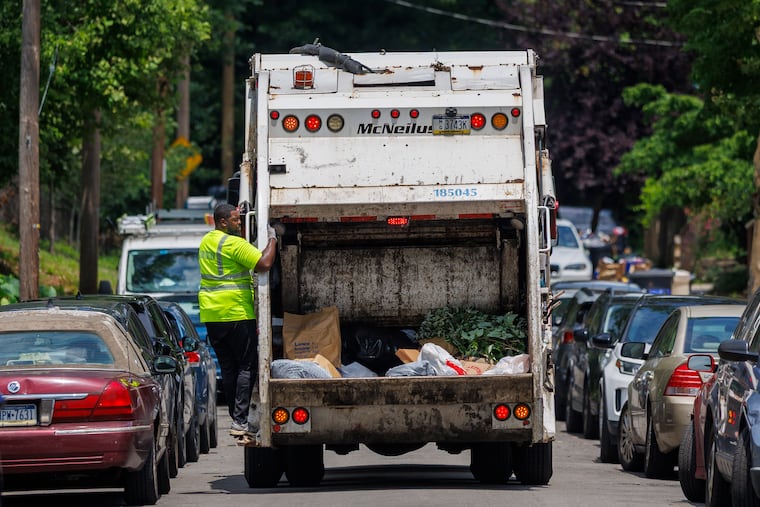
Philadelphia Council proposes new ordinance to reduce trash burning and promote better waste management practices.
A significant portion of Philadelphia’s waste management practice may be undergoing a substantial shift as city officials propose new legislation that aims to eliminate the incineration of waste and recyclables. Currently, over one-third of the city’s trash is incinerated at the Delaware Valley Resource Recovery Facility, owned by Reworld, formerly known as Covanta. This facility has long faced opposition and protests from residents of Chester and surrounding areas who argue that such incineration processes pose environmental and health hazards.
Philadelphia City Councilmember Jamie Gauthier, who chairs the council’s environmental committee, recently introduced the Stop Trashing Our Air Act. This proposed ordinance seeks to prohibit the city from contracting with companies that burn solid waste or recyclables, a measure that aims to address concerns related to environmental justice and health disparities that disproportionately affect communities like Chester, which has been termed a “dumping ground” for the region’s waste.
Gauthier pointed out that approximately 37% of Philadelphia’s trash is sent to the Reworld facility for incineration. The facility reportedly burns around 3,500 tons of trash and industrial waste daily, with a significant percentage sourced from Philadelphia. Additionally, over 2,400 tons of scrap tires processed in the city are also incinerated at the Chester location each year.
Public response to the legislation has been largely supportive, particularly from Chester residents and environmental advocates. Zulene Mayfield, a long-time activist in Chester, highlighted the ongoing impacts of pollution on community health, underlining the urgent need for cleaner air. Similar sentiments were echoed by Chester Mayor Stefan Roots, who expressed hope that the Philadelphia City Council would support the bill as part of a regional initiative to prioritize environmental justice.
Reworld, in defense of its operations, maintains that the facility offers a sustainable alternative to landfilling by converting waste into renewable energy. The company asserts that its emissions consistently fall below federal and state regulations and that the plant plays a role in reducing methane emissions that would otherwise result from landfills.
Nevertheless, the proposed legislation raises questions about future waste management strategies for Philadelphia. Currently, waste is processed through varying methods, including transportation to one of eleven landfills and the Reworld facility. As city officials consider the implications of the incineration ban, the feasibility of alternate waste disposal methods remains a critical point of discussion.
Community advocates underscore the necessity for lawmakers to address not just the complexities of waste management but also the long-term health implications for residents affected by incineration practices. They urge the city to explore solutions that prioritize environmental health over convenience or short-term economic gains. The proposed Stop Trashing Our Air Act currently awaits a vote for final approval, with no date set as of yet.


