Philadelphia debates the strictness of its historic preservation regulations.
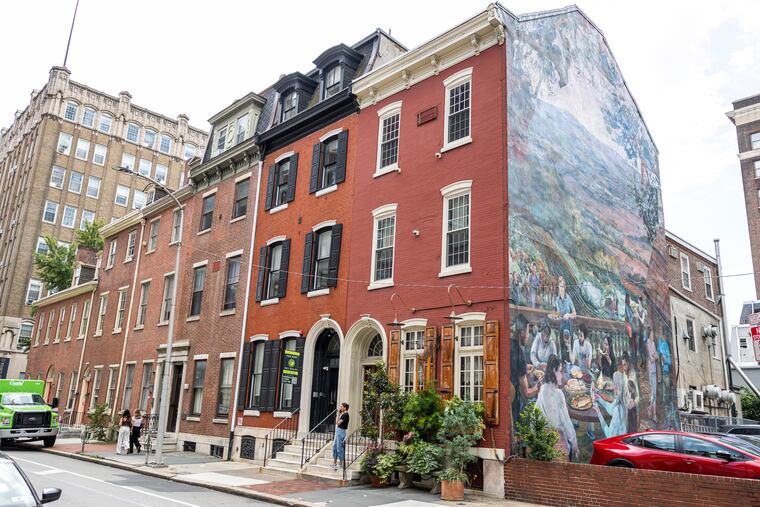
In 2021, Jonathan Hessney relocated to Philadelphia, choosing a home in the historic Washington Square West neighborhood, which boasts structures dating back to the 1970s. However, Hessney found himself perplexed when local authorities announced that his neighborhood was to be designated as a historic district, governed by the Philadelphia Historical Commission.
For many, historic preservation primarily signifies the safeguarding of aesthetically pleasing older buildings against demolition. Yet, as Hessney delved deeper into the implications of this designation, his confusion morphed into indignation. The proposed regulations would not only control exterior elements such as doors and windows but would also dictate the installation of solar panels, thereby driving up costs for homeowners.
The notification of the historic district strongly emphasized the honor of this recognition; however, it failed to clarify the limitations imposed on homeowners, making it crucial for them to seek approval from the Historical Commission for any exterior alterations. Hessney expressed concern that such regulations would disproportionately benefit those with the financial means to employ costly architects and contractors.
The Washington Square West historic district was officially approved in September 2022, motivated by a community group’s advocacy and support from broader preservationist circles. Notably, the Washington Square West Civic Association facilitated this designation, yet Hessney noted that a significant number of residents—133—wrote to the commission with concerns, while only 23 expressed support. Many critics felt their objections were dismissed, leading Hessney and fellow detractors to challenge the historic district’s designation in Common Pleas Court, raising nearly ,000 to fund their legal representation.
This pushback against the city’s preservation efforts marks one of the most significant challenges in the last 15 years. The response reflects a growing sentiment among critics, who argue that the current approach to historic preservation has swung too far in favor of safeguarding architecture at the expense of other critical public policy elements, such as housing affordability. Legal representatives, like Michael Phillips, argue that the rising number of appeals signifies a fundamental friction between preservationists, large property owners, and community members who feel economically burdened by stringent regulations.
Proponents of preservation cite recent increases in the Historical Commission’s activity as a pivotal victory in the face of rampant development and demolitions visible throughout Philadelphia. Historic districts are seen as essential measures to prevent the loss of cultural heritage, allowing broader protections against the destruction of significant architectural heritage.
However, critics assert that the regulatory hurdles imposed by these historic district designations can create substantial burdens for average homeowners by inflating renovation costs. The current all-encompassing preservation strategy in Philadelphia lacks the nuanced approaches seen in other cities, which often adopt varied preservation standards depending on the historical significance of different neighborhoods.
Calls for a revised preservation policy gaining traction amongst local urbanist groups suggest a necessary shift—proposing a more tiered system that distinguishes between areas of historical importance and those less architecturally significant. This framework could alleviate the pressure on homeowners while ensuring that genuinely irreplaceable structures and neighborhoods receive the protection they deserve.
The dialogue surrounding preservation continues to evolve in Philadelphia as city officials, including Councilmember Mark Squilla, explore policies aimed at reducing the financial impact of residential maintenance in historic districts. Such potential changes could offer essential support to homeowners while maintaining the integrity of Philadelphia’s architectural and historical tapestry.