
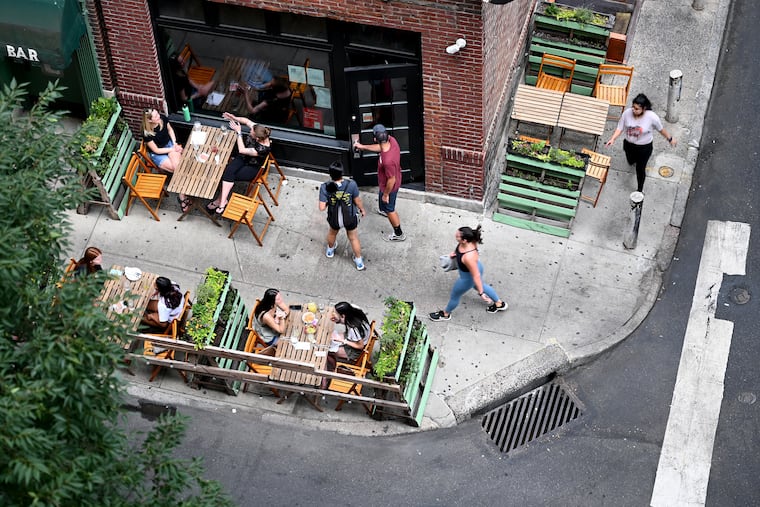
Philadelphia expands outdoor dining options and introduces measures to combat reservation scalping in preparation for increased tourism in 2026.
Philadelphia’s City Council enacted significant legislative changes on Thursday aimed at bolstering the local hospitality sector and preparing for an anticipated influx of tourists in 2024. During its final meeting of the year, the Council unanimously approved two major initiatives that hold potential benefits for restaurants and related businesses in the city.
The first piece of legislation streamlines the process for outdoor dining permits across various commercial corridors in Philadelphia. Currently, outdoor dining is restricted to specific “by-right” areas such as Center City and certain neighborhoods, a limitation that requires restaurants outside these zones to navigate complex approval processes. With the new measures, authored by City Council member Rue Landau, designated by-right zones will be expanded, enabling more establishments to offer outdoor seating without the burden of additional zoning approvals. This change is particularly timely, as large-scale events, including celebrations for the Semiquincentennial, are expected to attract significant numbers of visitors to the city.
The second legislative measure aims to regulate third-party reservation services, commonly referred to as reservation scalpers. These companies facilitate the buying and selling of restaurant reservations without the consent of the establishments themselves. The law, championed by Councilmember Isaiah Thomas, seeks to eliminate the practices of unauthorized reselling that can leave restaurants with unfilled tables while impacting their ability to manage customer flow. The legislation is designed to protect the integrity of restaurant bookings, distinguishing itself from popular dining apps like OpenTable that maintain direct partnerships with eateries.
Both legislative initiatives reflect a concerted effort by lawmakers, propelled by advocacy from the restaurant industry, to enhance operational conditions for local businesses. With the hospitality sector recovering from the challenges posed by the pandemic, these measures are seen as essential for maintaining competitiveness and fostering growth.
The measures are now awaiting the signature of Mayor Cherelle Parker, who has historically not issued a veto, signaling strong municipal support for enhancing the viability of Philadelphia’s restaurant landscape. As the city gears up for a robust year of tourism and special events, these changes are expected to play a critical role in attracting visitors and maximizing the local economy’s potential.
Media News Source


