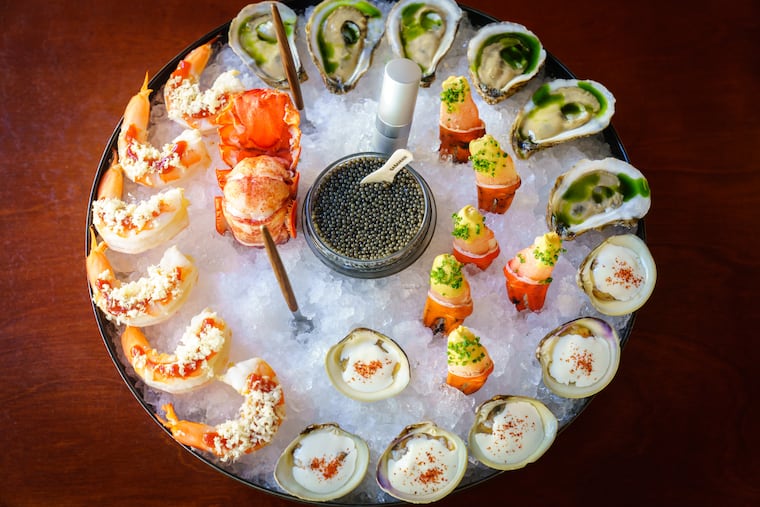
Philadelphia experiences a surge in new raw bar openings amid growing popularity of fresh seafood dining.
In recent years, Philadelphia has witnessed a remarkable resurgence of raw bars, redefining the culinary experience across the city. This development is exemplified by establishments like Little Water, which boasts a raw bar adorned with Capiz shell bowls and an enticing menu that presents guests with six exquisite Beau Soleil oysters from New Brunswick, Canada. Accompanied by chef Randy Rucker’s house-made hot sauce and a unique Alabama white sauce, these oysters represent just a portion of the vibrant offerings within this dining trend.
The raw bar phenomenon has expanded significantly in Philadelphia, with a growing number of venues dedicated specifically to oysters. Notable additions include Sao, helmed by chefs Phila and Rachel Lorn, offering an innovative approach to raw seafood with diverse oyster varieties and distinctive dipping sauces. Similarly, the oyster-focused Tesiny and Fleur’s in Kensington, led by chef George Sabatino, present unique dishes that blend classic techniques with inventive flavors, showcasing the versatility of oysters beyond traditional preparations.
This revival of interest in oysters can be attributed to a convergence of factors, including advancements in aquaculture that make farmed oysters more accessible, bolstered by technological innovations. The rise in local oyster farming has significantly increased supply while maintaining reasonable pricing, making oysters both a luxurious and sustainable dining option. These culinary delights have once again captured the attention of chefs, many of whom are eager to offer their personal interpretations that transcend the conventional servings accompanied by lemon wedges and mignonette.
Furthermore, the legacy of oysters is marked by challenges in the past, especially during the mid-20th century when diseases such as MSX and Dermo severely impacted wild populations. However, through genetic breakthroughs and advancements in farming techniques—such as the use of plastic-coated materials and floating gear—today’s oyster industry is thriving. As a result, oyster aquaculture in North America has experienced a significant boom over the last decade, which has positively influenced availability and consumer interest.
As eateries continue to incorporate oysters into their menus, the Philadelphia dining scene stands poised to evolve, providing patrons with an array of choices that elevate the humble oyster to new culinary heights. With an unprecedented variety of preparations and flavors, the city’s raw bars reflect not only the vibrant culinary landscape but also the resilience and adaptability of the seafood industry. The oyster renaissance is upon us, emphasizing sustainability, quality, and an adventurous spirit that invites diners to experience oysters like never before.
For food enthusiasts and casual diners alike, engaging with this fresh seafood revival promises a delightful journey through taste, local sourcing, and innovative gastronomy, making oysters more than just a meal but a celebration of culinary artistry.