Philadelphia health officials warn about the connection between stimulant use, heart disease, and overdose risks.
Philadelphia health officials have launched a new awareness campaign aimed at highlighting the alarming link between the use of stimulants, such as cocaine and methamphetamine, and the increased risk of heart disease and overdose. This initiative underscores the evolving nature of the city’s overdose crisis, which has historically been dominated by opioid-related fatalities, primarily involving fentanyl. Recent statistics reveal that while opioid overdoses remain prevalent, stimulants were implicated in 70% of overdose deaths in Philadelphia in 2023, a notable increase from 62% in 2019.
Racial disparities have been identified in stimulant-related overdose deaths, raising significant public health concerns. Data indicates that while the rate of overdose deaths among white residents has decreased, there has been a troubling increase among Black residents. In 2023, a staggering 80% of overdose fatalities in the Black community involved a stimulant. The analysis further reveals that individuals with cardiovascular disease are disproportionately affected by these overdose incidents; nearly half of Black Philadelphians who died of an overdose from 2019 to 2022 had a history of cardiovascular issues, in contrast to a third of white and Hispanic overdose victims.
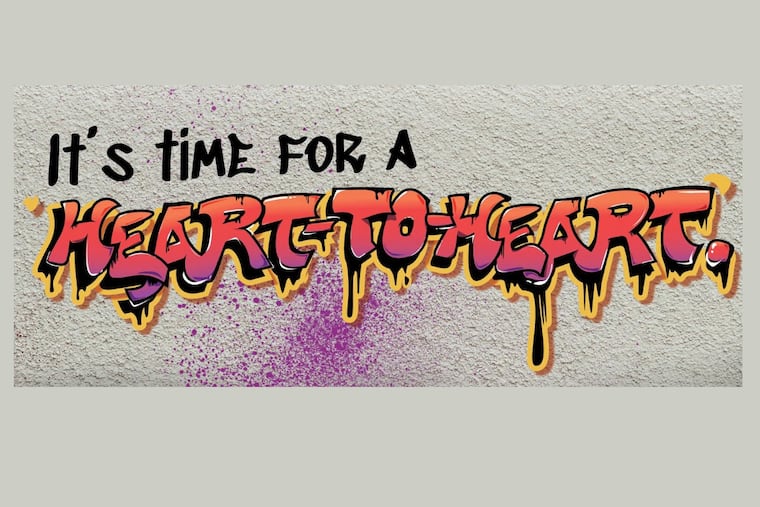
The campaign, named “Heart-to-Heart,” targets specific neighborhoods in North, Southwest, and West Philadelphia—areas that have reported the highest rates of stimulant-related overdose deaths. It employs a multi-faceted approach, utilizing social media, advertisements in public spaces, and information dissemination through local businesses.
A dedicated website offers crucial information about the connections between stimulant use and heart health, as well as resources for individuals seeking to discuss stimulant use with healthcare providers. While Philadelphia has implemented various measures aimed at opioid overdose prevention, including the distribution of naloxone and fentanyl testing strips, experts like Daniel Teixeira da Silva, director of the city’s Division of Substance Use Prevention and Harm Reduction, emphasize that these methods may not sufficiently address the growing stimulant overdose crisis.
City officials are calling for a comprehensive strategy that provides actionable steps to empower residents, enhancing their ability to make informed health choices. As the landscape of substance use continues to evolve, the hope is that campaigns like “Heart-to-Heart” will contribute to the broader efforts in reducing overdose deaths and improving health outcomes in vulnerable populations across Philadelphia.