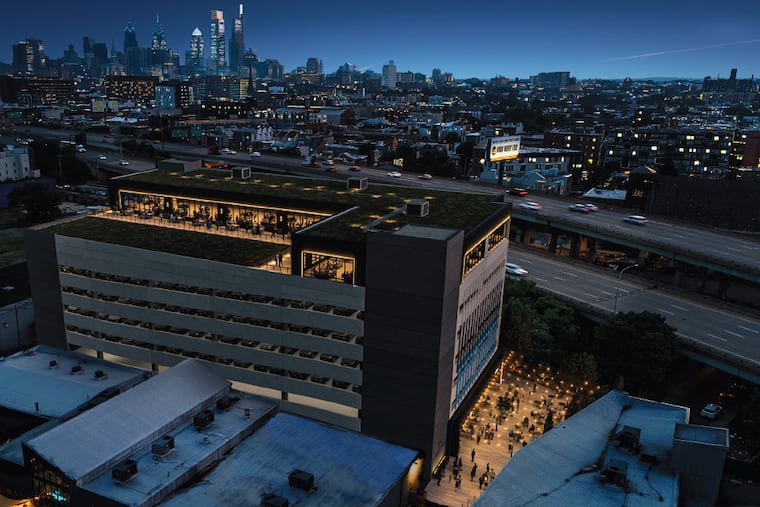
Philadelphia may see an increase in parking garages in 2025.
In a notable development, Philadelphia is witnessing the proposal of three significant stand-alone parking garages in 2023. This move comes amid ongoing concerns among parking operators regarding the high tax burdens that complicate the operation of parking facilities in the city. These proposals, which reflect a tilt towards expanded parking infrastructure, contrast with a broader trend of urban areas shifting away from car-centric designs.
The latest project, featuring a 372-space garage near the thriving neighborhoods of Fishtown and Northern Liberties, is strategically located at 53-67 E. Laurel St. This site is positioned in proximity to several high-traffic venues, including the Fillmore concert hall and Rivers Casino. Proponents of the garage argue that it resonates with the rapid residential development in the area, where approximately 2,500 new apartment units have emerged. The city’s stringent parking regulations typically require developers to include parking facilities only for a fraction of the units built, thus creating a pronounced shortage of available spaces.
Local developers, such as Bridge One Management, are optimistic about the potential for this garage to alleviate parking demand, given the substantial influx of new residents. With a parking space-to-unit ratio of 7:1 for the newly constructed apartments, the shortage of parking is becoming increasingly visible. Despite Philadelphia’s pedestrian-friendly environment and robust public transit options, the parking infrastructure appears inadequate to meet the growing needs of the community.
Earlier this year, two additional proposals emerged. Children’s Hospital of Philadelphia (CHOP) unveiled plans for a sizable 1,005-space garage in Grays Ferry, which will incorporate a shuttle service to its main campus. In another venture, University Place Associates announced a 495-space garage that will support a new forensic lab and provide public parking spaces.
These developments have raised eyebrows among environmentalists and urban planners who previously believed the city was steering toward sustainable, less automobile-dependent infrastructure. There is widespread concern that these new garages will exacerbate carbon emissions and traffic congestion, negating efforts to promote transit-oriented lifestyles.
The current climate has led to mixed reactions from existing parking operators in Philadelphia. Industry veterans, such as Robert Zuritsky of Parkway Corp, have expressed skepticism regarding the profitability of such projects, citing the financial strains imposed by escalating construction costs and municipal taxes. They argue that with the loss of about 10,000 publicly available parking spaces over the last 15 years, the pressure on remaining operators has intensified.
Amidst the challenges associated with the construction and operation of parking garages, local stakeholders hope that integrating commercial spaces into these projects may provide a diversified income stream, alleviating some of the financial burdens. The inclusion of pedestrian-friendly designs, green spaces, and community amenities has also been emphasized as part of these new developments, suggesting a recognition of the need for improved urban planning in alignment with contemporary values.
This increase in parking infrastructure amidst an evolving urban landscape underscores the complexities of balancing growth with sustainability in Philadelphia. As these projects move forward, ongoing community engagement and scrutiny will be critical in assessing their long-term impacts on local neighborhoods and the environment.