
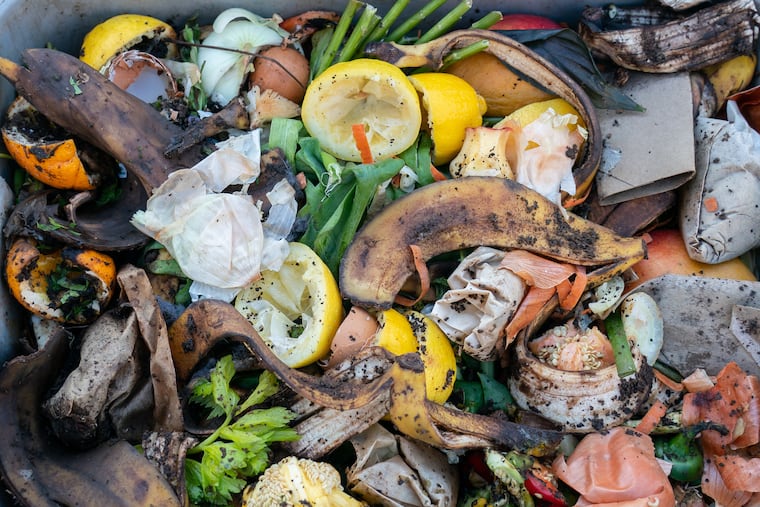
Philadelphia residents can compost at home as an alternative to missed trash pickups.
As Philadelphia city workers continue their strike, trash collection services have been halted, leading to significant accumulation of waste. Individuals seeking to manage their waste effectively in this challenging situation are encouraged to explore composting as a beneficial solution. Composting not only reduces the volume of garbage but also contributes positively to environmental sustainability.
While the city does not provide comprehensive citywide compost pickup, residents can access various options, including local drop-off sites and home collection services. These services can streamline the composting process by providing sealed bins and handling most of the labor involved. The following guide outlines how residents can effectively compost during the strike, detailing acceptable compostable items as well as where to deposit food scraps until trash collection resumes.
Residents can compost a variety of materials at home, including fruit and vegetable peels, coffee grounds, tea bags (paper only), eggshells, stale bread, nuts, flowers, brown paper bags, napkins, uncolored paper towels, dryer lint, pet hair, and cold fireplace ash. However, certain items should be strictly avoided. These include meat, bones, seafood, dairy products, cooking oils, pet waste, compostable plastics, coal ash, glossy or coated paper, and chemically treated yard waste.
For those interested in drop-off compost sites in Philadelphia, public sites are available albeit with varying accessibility. Residents are encouraged to verify operating hours and specific rules for deposit locations. Notable public drop-off sites include MOM’s Organic Market, located at 34 S. 11th Street, which operates daily from 9 a.m. to 9 p.m., and the Liberty Lands Garden at 913 N. 3rd Street, accepting compost every Saturday at 11 a.m.
Residents who prefer the convenience of home pickups can consider several local compost collection services such as Bennett Compost and Circle Compost, which offer pickup options for a monthly fee of approximately . These services accept a variety of food scraps but exclude items like meat and certain plastics.
For individuals living outside the city, services like Mother Compost and Kitchen Harvest provide viable composting options across various suburban areas. With a monthly fee range of to , these services cater to diverse composting needs.
Finally, for those with adequate outdoor space, managing composting independently is also a possibility. The U.S. Environmental Protection Agency advises utilizing a sealed container for scraps until ready to compost, recommending the “lasagna” method, which alternates layers of green materials (food waste) and brown materials (cardboard, leaves) to ensure proper aeration.
In this ongoing situation, composting serves as an effective means for Philadelphia residents to reduce waste and promote sustainability while city services remain disrupted.


