Philadelphia reverend and Pope Leo XIV’s friend suggests new church leader may support immigration policies.
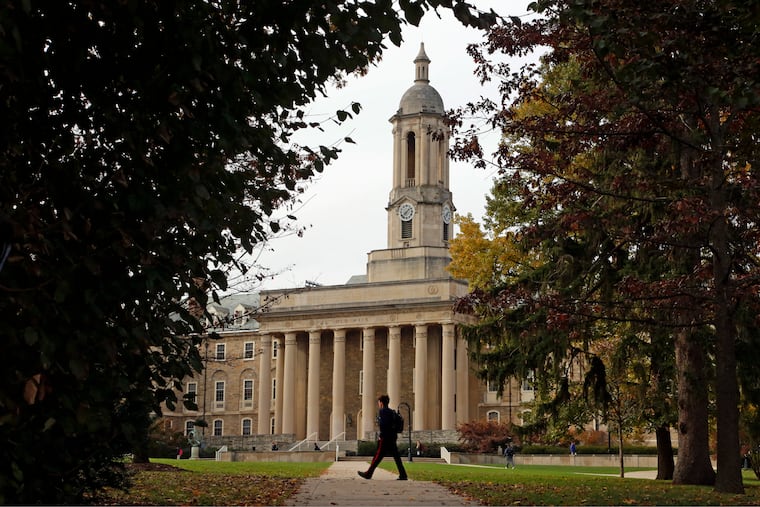
The election of Robert Prevost as Pope Leo XIV marks a historic moment in the Catholic Church, as he becomes not only the first U.S.-born pope but also a significant figure for the Philadelphia region, where he has deep roots. Prevost, who was elected to the papacy on a Thursday, has a noteworthy educational background, having earned a degree in mathematics from Villanova University in 1977. His rise within the church has taken him overseas, notably in South America, where he has built a reputation for his advocacy on social justice and immigration issues.
Prevost’s ascent to the papacy has prompted reflections from those who have known him for decades. Rev. Paul Galetto, a former classmate at Villanova and long-time friend, described Prevost as a pragmatic individual with a genuine concern for others. Galetto, who currently serves as pastor of St. Paul Parish in South Philadelphia, noted that Prevost has maintained a close relationship with the late Pope Francis, suggesting that this connection may have been influential in his selection as pope.
The choice of the name Leo for his papacy is significant, evoking Pope Leo XIII, renowned for championing working-class issues and social justice in the 19th century. This decision further indicates Prevost’s commitment to continuing the legacy of Pope Francis, particularly as it relates to concerns surrounding immigration and the movement of peoples, a perspective shaped by his experiences in Peru and other parts of Latin America.
In addition to his U.S. citizenship, Prevost also holds Peruvian nationality and is fluent in Spanish, which enhances his connection to a global Catholic audience that encompasses diverse cultural backgrounds. His leadership roles culminating as prefect of the Dicastery of Bishops prior to his papacy allowed him to engage with influential church figures, many of whom participated in the recent conclave to elect the new pope.
The implications of Prevost’s papacy extend into the realm of U.S. politics, especially regarding immigration, a contentious issue in the current American landscape. His advocacy for immigrant rights may create a juxtaposition with policies endorsed by figures such as former President Donald Trump. Notably, Trump expressed his pride in the election of a U.S.-born pope shortly after it was announced, indicating the complex interplay between faith and politics that Prevost may navigate during his tenure.
As Pope Leo XIV embarks on this new journey, the eyes of millions will be focused not only on his initiatives and teachings but also on how his leadership will address the pressing issues of our time, especially those affecting marginalized communities around the world. Media News Source reports that the selection of Prevost is a significant chapter in the evolving narrative of the Catholic Church in the 21st century.