Philadelphia school board considers transferring vacant schools to the city amid some objections.
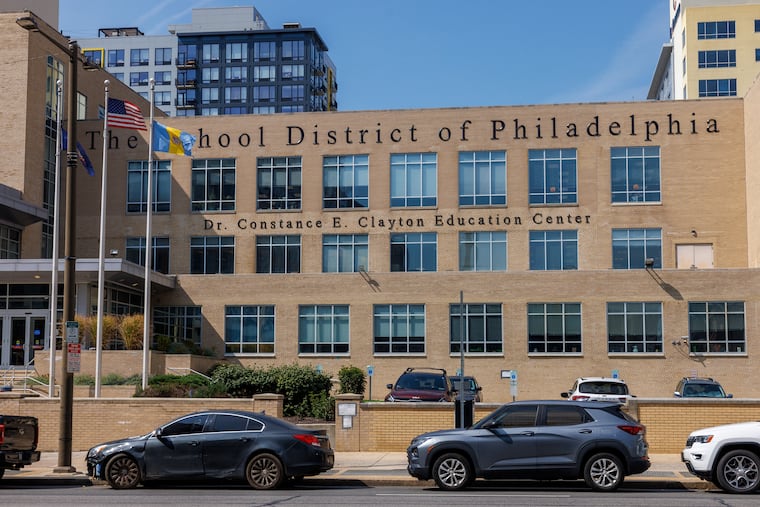
The Philadelphia School Board recently voted to investigate the potential transfer of surplus school properties to the city, drawing a mix of support and concerns from board members. This decision, made during a Thursday night meeting, does not obligate the district to proceed immediately, but it creates a pathway for collaboration with the administration of Mayor Cherelle L. Parker. Parker has pledged to facilitate the construction or restoration of 30,000 housing units during her first term, aiming to address the city’s housing crisis.
While the school district has approximately 20 surplus buildings available for potential transfer, specifics about which properties are under consideration remain vague. The board did not compile a definitive list before voting, and discussions about the proposal are ongoing among district officials.
This resolution pertains solely to buildings that are currently closed and does not encompass any that may be designated for closure as part of the upcoming facilities master planning process, expected to be completed by the end of the school year. Board President Reginald Streater expressed that the partnership with the city aligns with the district’s educational goals and would allow it to focus more fully on its mission while transferring the financial responsibilities associated with maintaining these vacant properties to the city.
The vote, which saw six board members in favor and two against, authorizes Superintendent Tony B. Watlington Sr. and the district’s legal team to initiate discussions with city officials. Board members Crystal Cubbage and ChauWing Lam opposed the resolution, citing concerns over the district’s ongoing financial challenges. Lam highlighted the vacant buildings’ cumulative value of million and argued for caution, suggesting that any agreement should not compromise the district’s fiscal stability, particularly in light of a projected 0 million budget deficit.
Cubbage echoed these sentiments, advocating for a strategy that could generate revenue for the district while still supporting the mayor’s housing initiatives. She emphasized the importance of exploring various options rather than committing to a transfer without financial gain.
Supporters of the resolution recognized the need to ensure that any prospective deal includes a thorough business plan that evaluates long-term implications for the Philadelphia School District. Meanwhile, Watlington framed the exploration of transferring properties as an opportunity to utilize underperforming assets better, focusing on both fiscal accountability and community needs.
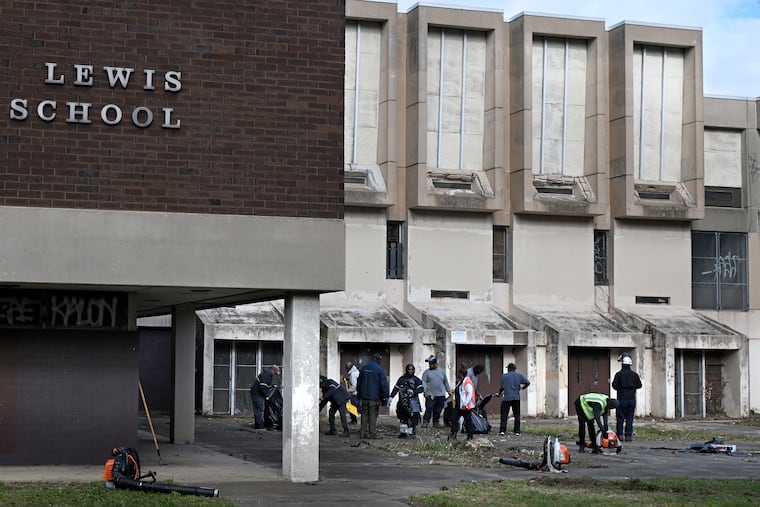
Parker emphasized the urgency of repurposing vacant buildings, many of which have stood empty for years, amidst an ongoing housing crisis. Numerous community voices, including former school board members and local residents, have questioned whether transferring these properties to the city should include opportunities to sell at market value rather than nominal fees, arguing that this would better respect the worth of the properties and serve the broader community needs.
Some community representatives, such as Angela Case of West Oak Lane Charter, expressed interest in acquiring specific properties like Ada Lewis Middle School, underscoring the possibility for growth and enhanced educational opportunities if these buildings are effectively utilized. The district now stands at a crossroads, tasked with balancing immediate housing demands and long-term educational investment strategies. Future decisions will need careful consideration of both community needs and fiscal realities to ensure that any action taken benefits all stakeholders involved.
Media News Source