Philadelphia school officials discuss SEPTA’s impact and vote to initiate the closure of two city charter schools.
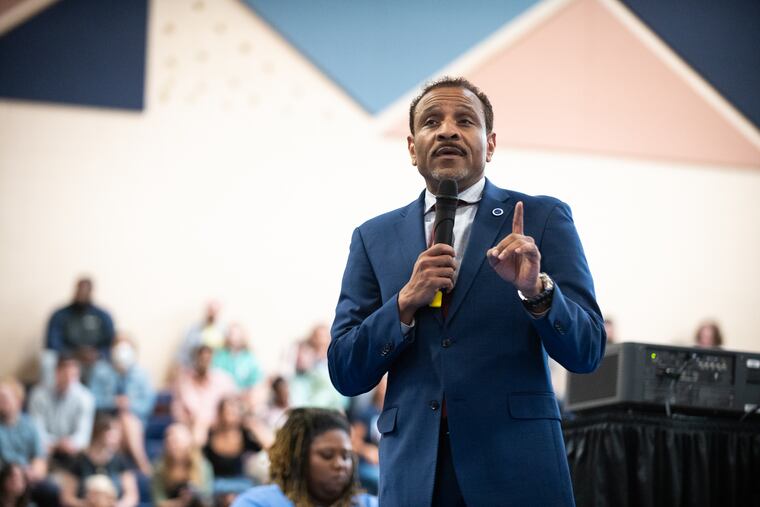
In a recent school board meeting, Philadelphia Superintendent Tony B. Watlington expressed serious concerns regarding upcoming service reductions to the Southeastern Pennsylvania Transportation Authority (SEPTA). The cuts are set to begin this Sunday, just one day before the new academic year starts, and could significantly impact students’ ability to attend classes. Many students within the district rely on public transportation for their daily commute, highlighting a potential crisis in academic continuity.
Watlington stated that over 50,000 students depend on SEPTA services, which may hinder efforts to enhance academic performance within the district. He emphasized the importance of maintaining consistent instructional time, remarking that any disruptions in transportation would likely affect student learning. Acknowledging these challenges, he noted that students arriving late due to transportation issues would not be penalized, a policy aimed at ensuring that circumstances outside of the students’ control do not affect their educational opportunities.
To mitigate the impact of these service cuts, Watlington encouraged families to consider carpooling and also introduced a 0 stipend program to assist parents in transporting their children to school. This initiative is part of the district’s broader strategy to address the transportation crisis while easing logistical challenges for families.
During the same meeting, the school board addressed several significant matters, including the non-renewal of charters for two Philadelphia schools — KIPP North Philadelphia and People for People Charter School. The decision to issue non-renewal notices is not an immediate closure but rather begins a lengthy process that allows the affected schools to appeal. While both charters have operational histories, board members highlighted ongoing academic concerns that prompted the vote.
Board members pressed for justification regarding Keystone Opportunity Zones, tax abatement areas intended to stimulate economic activity in underused properties. Questions arose over the tangible benefits these zones provide to Philadelphia’s educational landscape, with board member Crystal Cubbage demanding measurable outcomes to support the renewal of such designs.
In a separate development, the board agreed on a settlement with West Philadelphia Achievement Charter Elementary School, which had faced legal challenges related to over-enrollment. The school will now pay .5 million over five years to the district, significantly less than the original million state claim.
As the Philadelphia school district grapples with transportation challenges and charter school evaluations, the resulting decisions will have lasting implications for students and the educational environment in the city. Concerns remain surrounding the balance of maintaining quality education while navigating financial and logistical obstacles. Moving forward, the board’s commitment to finding effective solutions will be critical in shaping the future of education within Philadelphia.
(Media News Source)