Philadelphia sees reduction in killings and an increase in solved homicide cases, highlighting improvements in public safety and law enforcement effectiveness.
Philadelphia is witnessing a notable decline in homicide rates, with 187 individuals reported lost to violence thus far in 2025. This figure marks a significant decrease compared to the pandemic years, during which the city recorded over 500 annual homicides. With two months remaining in the year, the potential for a final tally under 240 killings could represent the lowest homicide count since the 1960s. Despite this encouraging trend, Philadelphia’s homicide rate remains alarming, with figures still tripling those of cities such as New York and Boston.
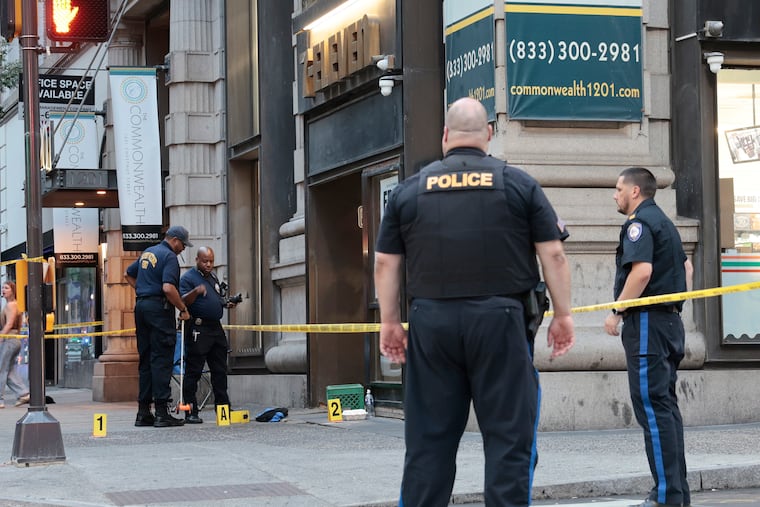
While the reduction in homicide numbers is a positive development, incidents of violence continue to cast a shadow over Philadelphia. Recent tragedies, including the high-profile murder of Kada Scott, underscore the pressing need for ongoing improvements in public safety measures. The city has made strides in solving homicide cases, with detectives achieving a clearance rate ranging from 85% to 91%, the highest rate observed in four decades. This is a marked improvement from a low of 42% in recent years, indicating a more effective response to violent crime.
In response to the surge in gun violence beginning in 2020, the Philadelphia City Council initiated the “100 Shooting Review,” which aimed to identify shortcomings within the criminal justice system. Furthermore, the city allocated more than 0 million in 2021 toward violence prevention and intervention initiatives. Although the distribution of these funds faced some criticism regarding oversight, many experts in urban violence indicate that the investment has contributed to a decrease in shootings.
Community engagement plays a vital role in addressing violence, as highlighted by programs funded by the city, alongside efforts from local leaders and organizations. The integration of new technologies, including the installation of high-definition surveillance cameras across neighborhoods, has aided law enforcement in solving homicide cases more effectively.
Beyond the immediate benefits of closing cases and holding offenders accountable, enhancing the clearance rate is imperative for deterring future violent acts. Research suggests that certainty of punishment serves as a significant deterrent to potential offenders, particularly younger individuals prone to impulsive behavior. In light of a continuing rise in gun violence among teens, further advancements in clearance rates are essential.
Despite recent improvements, Philadelphia grapples with other forms of disorder that detract from residents’ quality of life. Issues such as reckless driving, illegal dumping, and inadequate police response times contribute to an overall sense of unease. Businesses, particularly in the Center City area, increasingly rely on armed security measures due to rising incidents involving aggressive behavior and thefts.
While the efforts of police officials, including Police Commissioner Kevin J. Bethel, have led to significant steps toward justice and a reduction in gun violence, the challenges faced by the city remain substantial. Addressing the ongoing crises requires sustained commitment from both law enforcement and community leaders to ensure Philadelphia evolves into a safer environment for all its residents.
The progress achieved thus far reflects a concerted effort, yet the task ahead calls for relentless vigilance and innovative strategies to combat violence and promote public safety.