Philadelphia shows real but fragile progress in reducing gun violence.
As summer concludes in Philadelphia, a significant change in the city’s gun violence statistics has emerged, marking a notable departure from previous years. Data from citywide reports indicate that both fatal and nonfatal shootings have decreased, offering a glimmer of hope for residents who have long contended with the specter of violence during warm months. Specifically, nonfatal shootings have decreased by 8% compared to summer 2022, while fatal incidents have experienced a substantial decline of 31%. When juxtaposed with pre-pandemic summer figures, nonfatal shootings are down over 25% (27%), and fatal shootings have reduced by 12%, implying nearly 100 lives spared.
These declines are not merely numerical; they represent real individuals — families, neighbors, and children whose lives are interconnected within the community fabric. The improved sense of safety is palpable, as a recent Pew survey illustrates that 56% of Philadelphians now feel “completely” or “pretty safe” in their neighborhoods at night, an increase from 44% in 2022. The Center City District reports that retail occupancy has rebounded to 83%, and foot traffic is nearing 90% of pre-pandemic levels, showing that safer streets contribute to revitalization in shopping, dining, and community connection.
Despite these positive developments, there is a lingering sense of anxiety in neighborhoods most affected by violence, underscoring the work that still lies ahead to cultivate comprehensive safety. Nationally, violent crime rates have generally declined, and Philadelphia is part of this broader trend. This progress is attributed to sustained efforts in community engagement, intervention strategies, and law enforcement partnerships. The focus on prevention, intervention, and enforcement illustrates a multifaceted approach where each component works in tandem for greater community impact.
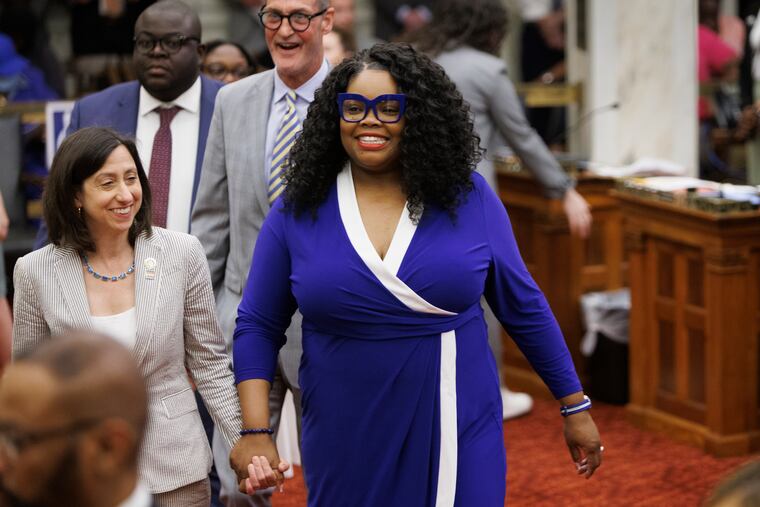
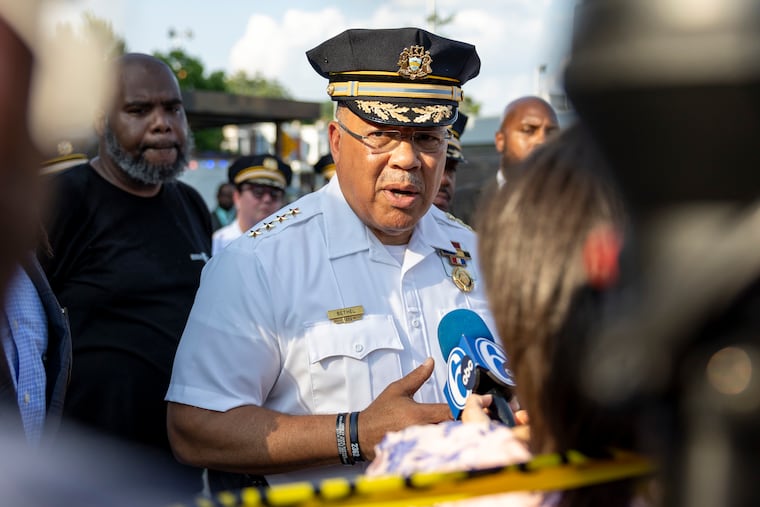
New Seattle Mayor Cherelle L. Parker’s leadership, alongside Police Commissioner Kevin J. Bethel’s targeted enforcement strategies, has been instrumental in these advancements. Initiatives to connect individuals at high risk with resources before incidents occur indicate a proactive shift in public safety strategy. Each step forward emphasizes not just maintaining progress but pushing further to ensure long-lasting safety improvements.
While the current declines in violence are promising, they serve as a reminder of the volatility of such progress. Historical data from other cities, such as Chicago and Boston, shows that when intervention programs lose funding or momentum, crime rates can rise dramatically. Philadelphia must remain vigilant, recognizing that the socio-economic challenges that contributed to violence during the pandemic persist.
The responsibility to sustain this momentum lies with the entire community. Support for local organizations, mentorship of youth, and advocacy for consistent investment in preventive measures are critical to reinforcing neighborhood safety. Current partnerships and innovative programs have the potential to evolve into robust frameworks for violence reduction, enabling Philadelphia to serve as a model for other cities facing similar challenges.
The collective efforts of residents, community leaders, and public officials have paved the way for a summer marked not by spikes in gunfire but by hope and revitalization. This collaboration signifies a united front in the ongoing battle against gun violence — a journey that, if sustained, can lead to transformative, enduring change in the fabric of Philadelphia society.
Media News Source