Philadelphia to install 800 electric vehicle chargers over the next decade.
Philadelphia is taking significant strides toward expanding its electric vehicle (EV) infrastructure, addressing both accessibility and sustainability concerns. Currently, while Philadelphia residents can find a gas station within an average of half a mile, they are distanced by about 1.4 miles from the nearest public EV charging station. This discrepancy highlights a pressing need for improved public charging options, particularly in neighborhoods that are under-served.
Recent studies identify approximately 200 public charging stations concentrated mainly in Center City, which leaves many neighborhoods lacking sufficient access. This lack of infrastructure has led some EV owners to resort to creative but impractical solutions, such as running electrical cords out of windows and across sidewalks for charging their vehicles.
In response to this challenge, city officials plan to implement the ChargePHL program, a 10-year partnership with private firms to install over 800 public EV charging stations throughout the city. This initiative is set to be discussed in upcoming legislation proposed by Councilmembers Michael Driscoll and Kenyatta Johnson. Significantly, the installation of this charging network will be financed entirely through private funds and federal grants, avoiding any expenditure from the city’s budget.
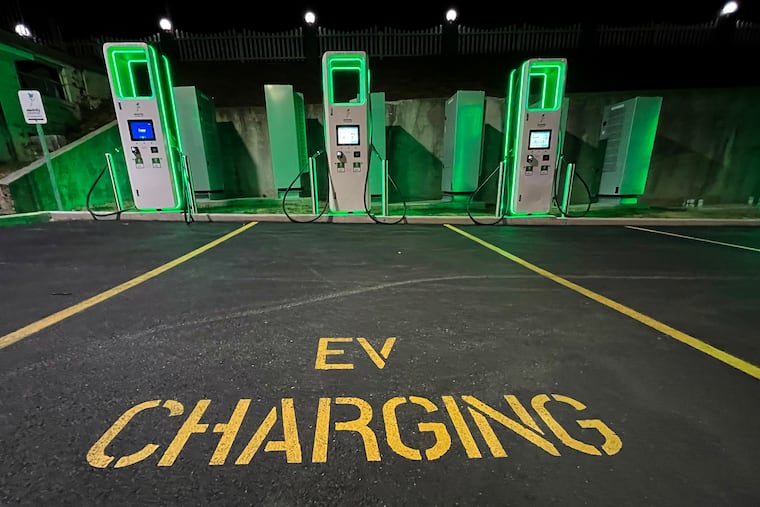
The proposed project will feature a range of charging options, including Level 3 DC fast chargers that can recharge vehicles in 30 minutes or less, though installation costs for such chargers can reach up to 0,000 each. In contrast, Level 2 chargers are considerably less expensive, ranging from ,000 to ,000. The city has selected It’s Electric Inc., based in Brooklyn, and Miami’s PositivEnergy Inc. to spearhead the design, installation, operation, and maintenance of this charging network.
Philadelphia’s air quality is a pressing concern, with transportation contributing to 60% of the city’s pollution. According to the American Lung Association, Philadelphia consistently receives poor air quality grades, prompting a need for advancements such as the transition to electric vehicles. City officials assert that enhancing EV infrastructure will lead to a reduction in harmful emissions, thus mitigating health issues related to air quality, such as asthma and heart disease.
To ensure effective use of the future curbside chargers, proposed legislation will amend traffic codes to prevent non-EVs from occupying charging spaces and will mandate that vehicles charge for no longer than 20 minutes after reaching full charge. Violators could face fines ranging from 0 to 0.
Moreover, early estimates suggest that an overnight charge for an EV could cost around , offering a cost-competitive alternative to gasoline. The first chargers are anticipated to be operational by early 2027, with an emphasis on placing infrastructure in accessible areas to encourage wider adoption of electric vehicles.
In a related initiative, the Council is considering allowing PositivEnergy to install four fast chargers at Philadelphia International Airport, which would be accessible to rideshare drivers and the general public, thereby enhancing options for travelers and residents alike.
The ChargePHL program and these additional efforts represent a significant commitment to improving EV infrastructure within Philadelphia, aiming not only to enhance accessibility but also to foster a more sustainable urban environment.