
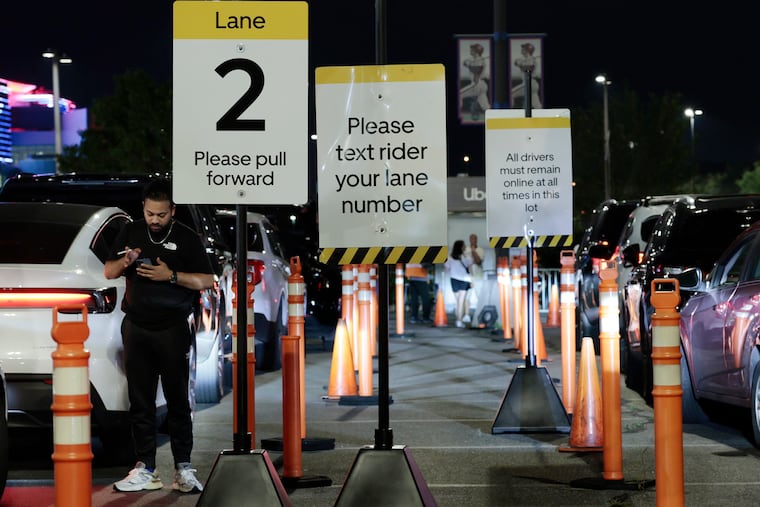
Philadelphia’s gig economy faces labor shortage as tougher immigration enforcement affects immigrant worker availability.
Recent analyses indicate that the effects of stricter immigration enforcement in the United States may be rippling through the gig economy, significantly impacting service availability, wait times, and pricing in urban centers such as Philadelphia. Research from the Economy League of Greater Philadelphia highlights a notable decline in the labor pool, largely attributed to both the deportation of undocumented workers and the chilling effects this creates, where even legal immigrant workers hesitate to engage in gig employment due to fear of arrest.
The gig economy relies heavily on immigrant labor, a fact underscored by the Trump administration’s extensive immigration policies, which aimed to implement the most aggressive deportation campaign in U.S. history. This initiative has resulted in a contraction of the foreign-born labor force, estimated to have shrunk by 750,000 individuals since early 2017. As demand for gig services remains high, the combination of reduced worker availability and heightened operational costs inevitably leads to increased prices and diminished service quality.
The Economy League characterizes this phenomenon as “enforcement shock,” referring to both direct and indirect consequences of heightened immigration enforcement. While specific local statistics from Immigration and Customs Enforcement (ICE) are not readily available, national trends indicate a dramatic rise in arrests of immigrants. This surge contributes to a pervasive sense of insecurity among immigrant workers, further complicating labor market dynamics.
For consumers, the implications are stark: longer wait times for food delivery, diminished availability of rideshare services, and rising costs associated with these essential conveniences. With Philadelphia experiencing an inflation rate of 3.9%, outpacing the national average, economic pressures compound for residents, particularly those at or below the poverty line who rely most on gig services for mobility and access to food.
The gig workforce, a significant component of the economy, likely encompasses tens of thousands of individuals within Philadelphia, operating primarily within app-based service platforms. These platforms remain crucial for many undocumented workers who often have limited job alternatives. However, the associated risks of engaging in this type of work have heightened concerns, making gig labor less appealing to those already wary of potential legal repercussions.
High demand for services persists, yet the shrinking labor pool significantly influences the customer experience. Reports of rising fare prices, increased service fees, and mixed availability of drivers illustrate the notable challenges facing consumers in Philadelphia. Furthermore, incidents of driver cancellations in high-demand situations, such as after major sporting events, indicate that enforcement and regulatory measures are shaping the service landscape, ultimately translating into higher costs.
As the situation develops, the intersection of immigration policy and the gig economy in Philadelphia and beyond poses vital questions regarding service sustainability, economic accessibility, and the fundamental interplay between labor availability and consumer experience.


