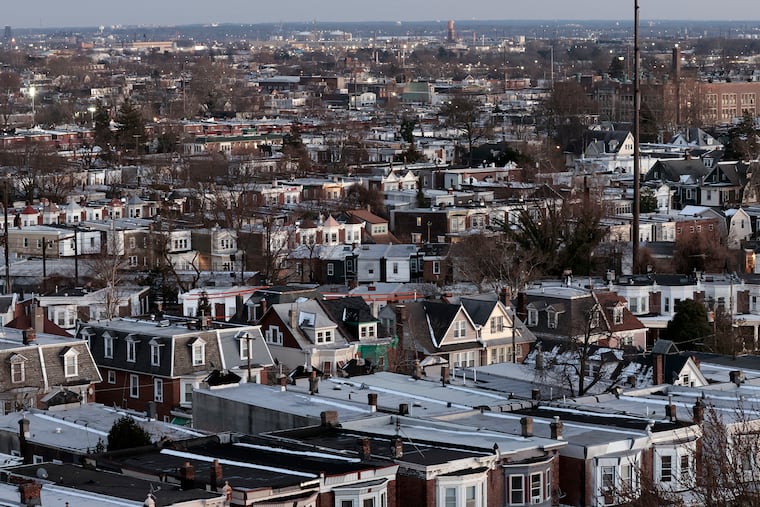
Philadelphia’s homeownership rate declined during the pandemic, contrasting with national trends and other major cities.
The homeownership landscape in Philadelphia has seen a marked decline over the past two decades, according to recent findings from an analysis conducted by researchers at the Federal Reserve Bank of Philadelphia. The homeownership rate in the city has fallen by 5.1 percentage points, from 57.5% in 2005 to 52.4% in 2023. This decline is particularly concerning when compared to the national trend, which saw a modest decrease of only 1.6 percentage points, bringing the national homeownership rate down to 65.3% during the same period.
In comparison to other major East Coast cities, Philadelphia’s homeownership decline appears more pronounced. For example, homeownership rates in Boston and New York City fell by less than 1 percentage point, while those in Baltimore decreased by 2.5 percentage points. Homeownership remains a crucial way for many American families to build wealth, and Philadelphia historically boasted a relatively high rate of ownership among households with lower income.
Despite this tradition, rising affordability challenges have hindered homeownership growth in Philadelphia in recent years. While the national homeownership rate increased by 1.1 percentage points from 2019 to 2022, reflecting positive trends in cities like Boston and New York, Philadelphia’s rate declined by 1.1 percentage points during the same timeframe.
Researchers indicated that ownership costs have escalated substantially, coupled with growing debt burdens among households. As homeownership affordability continues to deteriorate, it is noted that more than 60% of home sales were attainable for households earning the median income a decade ago; this figure has since dropped to less than 40%.
The disparities in affordability based on race and household composition are significant. White households with median incomes can now afford approximately 60% of home sales, whereas Black households can only afford about 26%, highlighting a widening affordability gap. Furthermore, the difference between affordability for dual-earner households and those with fewer earners has also expanded over the past decade.
The report classifies homeownership as affordable if a household making the median income spends no more than 28% of that income on mortgage payments, property taxes, and home insurance. Since 2014, these costs have more than doubled, rising from an estimated median of ,000 annually to approximately ,000 in 2024. The combination of soaring home prices, elevated mortgage interest rates, and stagnating incomes has created an affordability crisis that is prominent issues in Philadelphia, particularly when compared to similarly sized cities.
This report paints a picture of increasing financial strain on both current and prospective homebuyers, particularly among lower- to moderate-income families. As the economic environment continues to evolve, improving affordability will be essential for enhancing homeownership opportunities in Philadelphia and fostering wealth-building among its residents.
These findings raise critical questions about the future of homeownership in Philadelphia and the policies needed to address these challenges. Addressing the widening gap in affordability will be paramount to revitalizing the city’s once robust tradition of homeownership among all its residents.
For further information on housing and real estate trends, please refer to Media News Source.