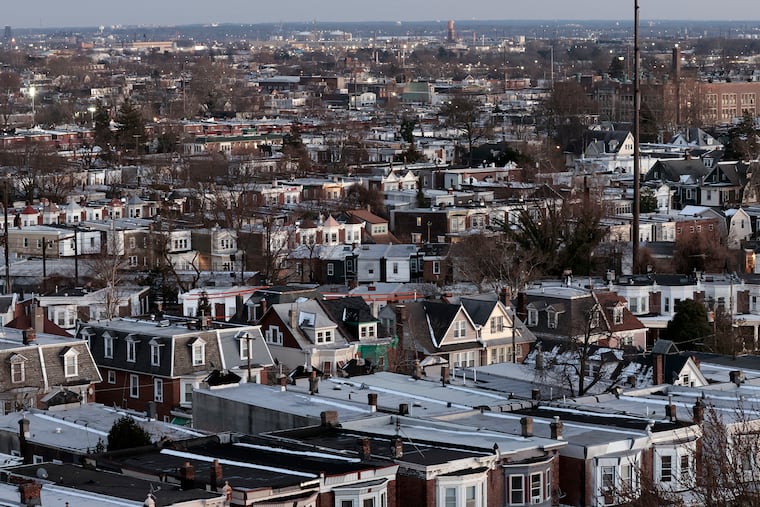
Philadelphia’s homeownership rate declined during the pandemic, despite increases in national rates and other major cities.
The homeownership rate in Philadelphia has experienced a significant decline over the past two decades, surpassing national averages and trends seen in other major East Coast cities. An analysis by the Federal Reserve Bank of Philadelphia reveals that the city’s homeownership rate fell by 5.1 percentage points, from 57.5% in 2005 to 52.4% in 2023. In contrast, the national homeownership rate saw a modest decline of only 1.6 percentage points, reaching 65.3% over the same period.
Compared to other East Coast metropolitan areas, Philadelphia’s drop in homeownership stands out. For instance, Boston and New York recorded decreases of less than 1 percentage point, while Baltimore saw a decline of 2.5 percentage points. Homeownership remains a critical avenue for wealth accumulation for many American families, especially in Philadelphia, which has a historically higher homeownership rate among lower-income households.
However, recent affordability challenges have impeded the city’s homeownership rate from rising, even during the pandemic, when other cities experienced growth. Between 2019 and 2022, the U.S. homeownership rate increased by 1.1 percentage points, a trend mirrored in places like Boston and New York. In sharp contrast, Philadelphia’s rate fell by 1.1 percentage points during the same timeframe.
Researchers from the Federal Reserve had anticipated that Philadelphia would align more closely with national trends. However, the data indicated that the city’s circumstances differ significantly. Many factors contribute to the stark decline, with homeownership becoming increasingly expensive and household debt burdens escalating.
The report highlights that more than 60% of home sales in Philadelphia were accessible to households with median incomes just a decade ago; currently, that figure has dropped to below 40%. Additionally, disparities in home affordability persist across racial and ethnic lines. Typical white households can afford up to roughly 60% of available homes, while typical Black households are limited to about 26%.
Furthermore, the financial landscape has shifted dramatically. The typical annual cost of homeownership—which includes mortgage payments, property taxes, and home insurance—has surged from approximately ,000 in 2014 to an estimated ,000 in 2024. High debt-to-income ratios have emerged as a significant barrier for aspiring buyers, with many facing mortgage denials due to these financial pressures.
Researchers concluded that these challenges showcase the mounting financial strains on potential and existing homebuyers, particularly those from low- to moderate-income backgrounds. The housing market in Philadelphia reflects a broader national trend of rising home prices and stagnant wages, further complicating the landscape for future homeowners. As the city grapples with these issues, the increasing gap in home affordability raises concerns about the attainable American dream for its residents.
This analysis underscores the urgent need for policies aimed at improving housing accessibility and ensuring homeownership remains a viable option for a broader segment of the Philadelphia population.