
Philly may soon legalize 20-year tax abatement for converting schools into residential homes.
Philadelphia is poised to introduce a significant incentive for developers aimed at revitalizing underutilized properties through a newly approved 20-year property tax abatement. This initiative is part of a recent budget agreement reached in Harrisburg, aimed at facilitating the conversion of deteriorating sites into residential housing.
The legislation specifies that improvements made to convert structures deemed as “deteriorated property”—which encompasses various industrial, commercial, and former government properties—will now be exempt from property taxes for up to two decades. This bill grants developers an option: if converting a property into housing proves too challenging, they may opt to demolish the building instead while still qualifying for the tax abatement.
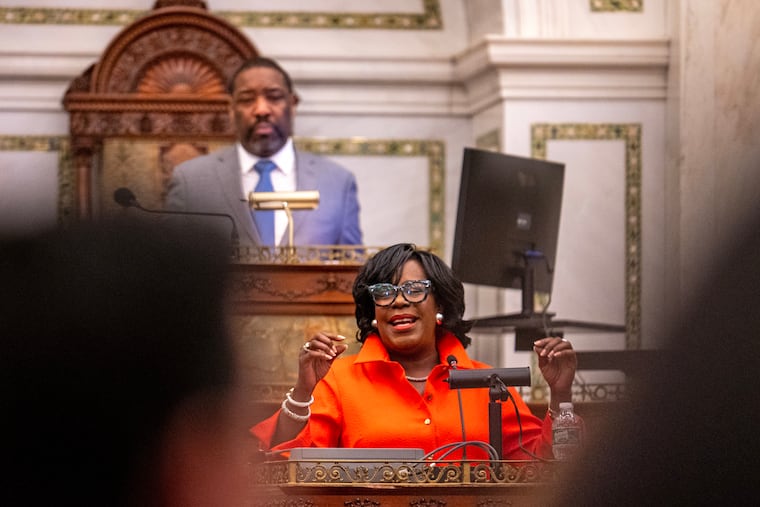
In a strategic move to address Philadelphia’s housing shortage, the administration of Mayor Cherelle L. Parker has expressed strong support for this legislation, viewing it as a crucial tool for incentivizing new residential developments. It aligns with Parker’s broader objective of generating new uses for vacant office buildings and school facilities while facilitating housing solutions, particularly affordable units, in the city.
City Council, now tasked with creating local legislation in accordance with the new state authorization, must define which geographic areas qualify as “deteriorating.” Council President Kenyatta Johnson has publicly endorsed the proposed 20-year abatement, emphasizing its potential to eliminate vacant office buildings and foster the creation of affordable housing.
The existing tax abatement policy in Philadelphia provides a 10-year exemption for renovations across residential properties, while new constructions receive a diminishing tax break beginning at 100% and tapering over a decade. The recent legislative changes are seen as a significant enhancement to the tools available for combating urban blight.
Moreover, Parker’s administration is collaborating with lawmakers to develop a proposal that prioritizes housing availability as part of her Housing Options Made for Everyone (H.O.M.E.) initiative, which aims to build or preserve 30,000 housing units.
The implications of the new abatement have garnered attention from local real estate groups, which believe it could catalyze the conversion of neglected buildings into flourishing residential communities. However, some developers caution that imposing additional requirements for affordable housing could diminish the scheme’s effectiveness. They argue that the 20-year abatement without strings attached is critical for maintaining the affordability of housing in a market characterized by rising construction costs.
As the City Council prepares to draft an ordinance related to this incentive, the discussions surrounding its implementation reflect a broader commitment to addressing the needs of Philadelphia’s evolving housing landscape while balancing the interests of developers and the community at large.


