Philly may soon legalize a 20-year tax abatement for converting schools into residential properties.
Philadelphia is poised to implement a 20-year property tax abatement aimed at transforming large, underutilized properties into residential housing. This initiative was recently incorporated into Pennsylvania’s state budget and fiscal code, which passed last week. The legislation grants the city the authority to exempt property taxes on improvements that convert deteriorated buildings into housing units for a period of up to two decades.
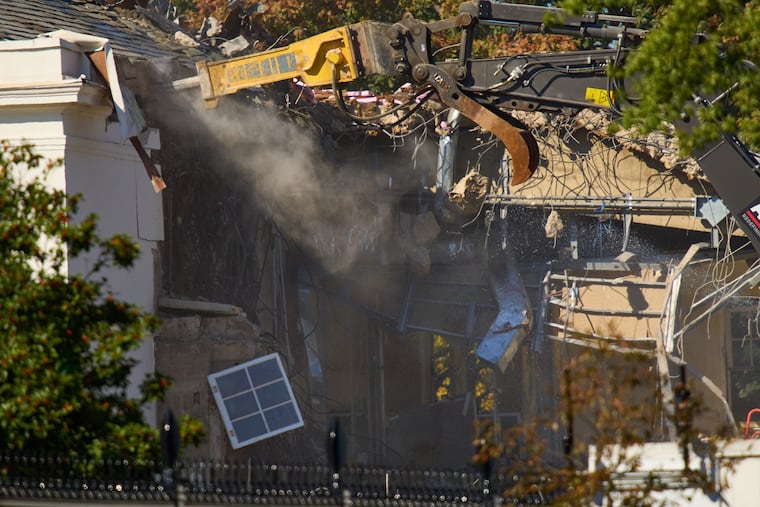
The definition of “deteriorated property” under this new legislation includes various types of commercial, industrial, or government-owned properties, such as former schools, situated in areas classified as deteriorating. Notably, if a property proves too complex for conversion into housing, developers can opt for demolition, still reaping the benefits of the tax abatement.
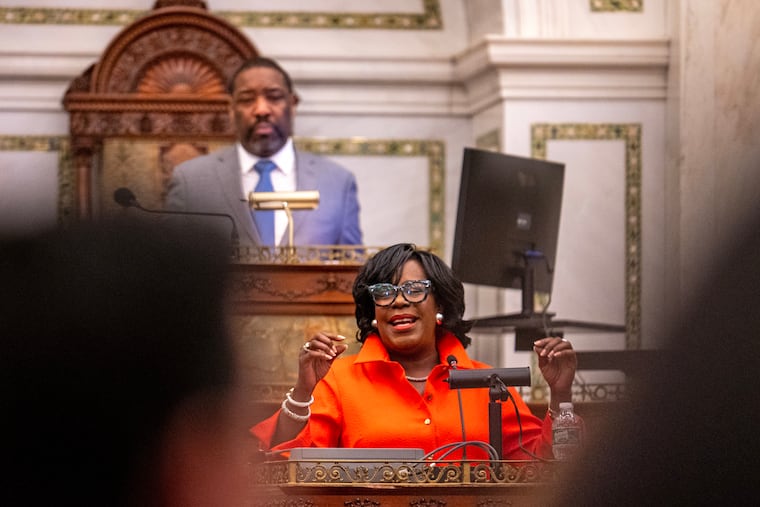
This move aligns with Mayor Cherelle L. Parker’s agenda to boost housing supply, addressing a critical need in the city. Her administration has been advocating for such legislation to not only stimulate new residential development but also to repurpose underutilized office spaces and schools, particularly as many city structures face occupation challenges.
With the recent changes, it is now incumbent upon the Philadelphia City Council and the Mayor’s administration to develop a local ordinance that aligns with the state government’s provisions. This includes designating specific geographic areas as “deteriorating” to qualify for the exemption. City Council President Kenyatta Johnson has expressed support for this long-term tax relief.
Currently, the city offers a 10-year abatement for residential renovations, which includes conversions, and a scaled abatement for new construction. The new 20-year framework aims to enhance the city’s resilience against prolonged vacancies and offer a pathway to affordable housing solutions, a significant concern for the Parker administration.
The administration is actively working on drafting legislation to present to the City Council early next year as part of its broader initiative to create or preserve 30,000 housing units. The proposed abatement is seen as a critical tool in revitalizing not just Center City but also addressing vacant public schools and other substantial unused properties across various neighborhoods.
While real estate professionals commend the state-level provisions as effective in combating blight and revitalizing historic areas, there is an ongoing discourse about integrating affordability requirements into the new legislation. Some Council members advocate for mandating a percentage of lower-income housing in exchange for the tax breaks, while developers argue that additional stipulations could undermine the incentive’s effectiveness.
Industry experts point out that while the 20-year abatement will improve financial conditions for some projects, it may not sufficiently generate below-market-rate units for low-income families. They stress that the primary goal of such incentives should focus on addressing the pressing housing needs of the community effectively. As discussions continue, it remains to be seen how Philadelphia will balance the ambition for development with the necessity for affordable living options.
This new legislative framework marks a significant step forward for Philadelphia in its ongoing efforts to revitalize its residential landscape, addressing both current market challenges and future housing needs.