
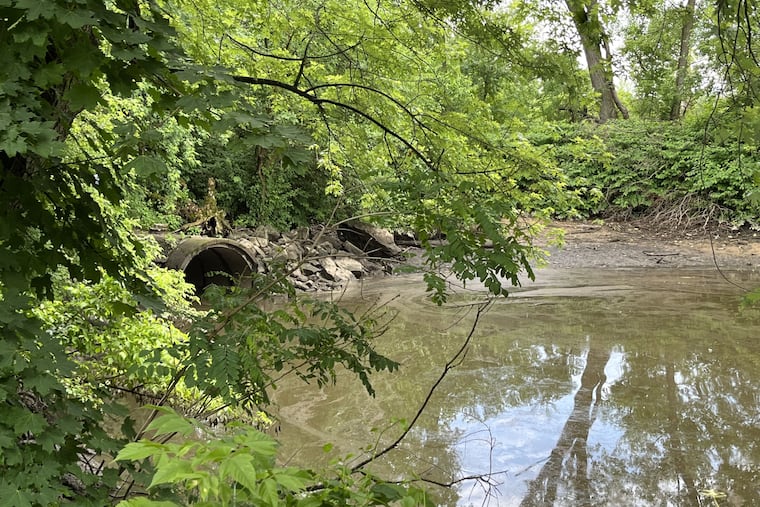
Philly releases billions of gallons of raw sewage into the Delaware River each year.
Philadelphia and Camden County Face Persistent Sewage Pollution Issues, Report Highlights
Philadelphia discharges approximately 12.7 billion gallons of untreated and diluted sewage into the Delaware River’s watershed each year, according to a recent report from the nonprofit advocacy organization PennEnvironment. The report reveals that the situation in nearby Camden County contributes significantly to this problem, hindering the recreational potential of the river and its tributaries.
The findings underscore a pressing concern: rivers can remain unsafe for recreational activities for up to 72 hours following a sewage overflow, indicating that local waterways could be deemed unsafe for recreation for more than 195 days each year. Despite the Clean Water Act’s establishment over 50 years ago—mandating the safety of waterways for activities such as swimming and fishing—combined sewer overflows (CSOs) continue to pollute waterways during wet weather. This not only poses risks to environmental health but also threatens the well-being of individuals who seek to engage in outdoor activities along the riverfront.
The report emphasizes that both Philadelphia and Camden operate combined sewer systems that frequently release untreated sewage into the Delaware River and its tributaries. From 2016 to 2024, the combined systems in Camden County overflowed on average 76 days annually, with major CSO sources discharging into local waterways.
Despite ongoing efforts by the Philadelphia Water Department to mitigate these issues through initiatives like the “Green City, Clean Waters” project, the frequency and volume of sewage overflow remain alarmingly high. The report averages out the annual release of raw sewage mixed with stormwater across different local waterways, indicating that significant improvements are necessary.
PennEnvironment acknowledges the strides made by both municipalities but calls for enhanced federal funding and a more aggressive approach to fixing the infrastructure that allows these overflows to occur. Key recommendations include setting firm deadlines to eradicate sewer overflows and exploring innovative financing solutions to support necessary upgrades.
Officials recognize the complexity of the challenge, yet they point to successful examples from other U.S. cities like Portland and Boston, which have made significant progress in reducing CSOs through infrastructure investments. The call is clear: prompt action is needed to address this public health crisis effectively. Collaboration between state and federal authorities, along with community advocates, will be essential for creating a safer and cleaner environment for future generations.
For those interested in further information and a detailed examination of the report, additional resources are available from PennEnvironment and similar organizations focused on water quality and environmental health.


