Philly school board to consider transferring vacant schools to the city amid objections from some stakeholders.
In a significant decision made Thursday evening, the Philadelphia school board voted to explore the transfer of surplus school buildings to the city. This resolution, while not legally binding, signals a potential shift in the management of these properties, aligning with Mayor Cherelle Parker’s ambitious housing plan of developing or restoring 30,000 housing units within her initial term.
The specifics concerning the number of surplus buildings under consideration remain somewhat vague. While the board did not vote on an explicit list of schools, previous discussions among officials suggested that approximately 20 surplus schools are being evaluated. A spokesperson for the school board noted that a finalized list is still in the process of internal review.
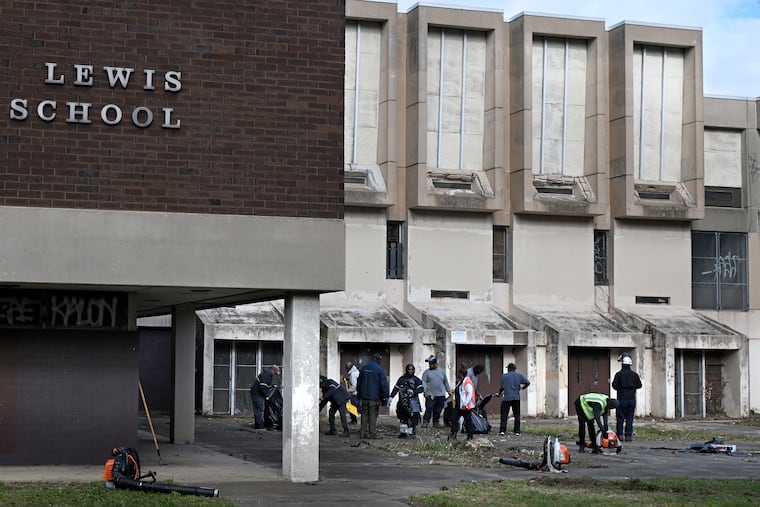
This resolution pertains exclusively to the district’s currently closed buildings and does not account for any additional structures that may be shuttered as part of an upcoming facilities master planning initiative, which is expected to conclude by the end of the academic year.
Board president Reginald Streater articulated the rationale for this potential partnership, emphasizing that transferring these properties would allow the school district to concentrate its resources on educational services while leveraging the city’s real estate expertise. The district currently incurs costs associated with these vacant buildings, financial responsibilities that would presumably shift to the city if the transfer occurs.
Six board members supported the resolution, while two — Crystal Cubbage and ChauWing Lam — registered their dissent. Cubbage expressed concern that the resolution could limit the board’s options to transfer the buildings without appropriate financial compensation, particularly in light of the district’s reported 0 million structural deficit. Similarly, Lam highlighted the recent valuation of the vacant building portfolio at million and urged caution, advocating for a more comprehensive exploration of alternative revenue opportunities.
In contrast, board member Wanda Novalés noted her support for the resolution, provided it includes a thorough business plan illustrating the benefits to the School District of Philadelphia. Superintendent Tony B. Watlington also endorsed the exploration, stating that repurposing these unused properties would allow the district to stay focused on its educational mission while contributing to broader city initiatives aimed at neighborhood revitalization.
Community input has raised additional considerations regarding the potential sale of these properties. Some advocates have suggested that it may be more prudent to sell the buildings at market value, rather than transferring them at nominal prices, to uphold the properties’ worth. Furthermore, interest from local organizations, such as the West Oak Lane Charter School, has been expressed in acquiring specific buildings to alleviate space constraints and enhance educational offerings.
As discussions continue, stakeholders are urging a balanced approach that considers the financial implications for the school district while addressing the pressing housing needs of the community. The outcome of this exploration may have lasting ramifications for both the Philadelphia School District and the city as a whole, as they navigate the complexities of resource management in a climate of fiscal challenges and community demands.
Media News Source