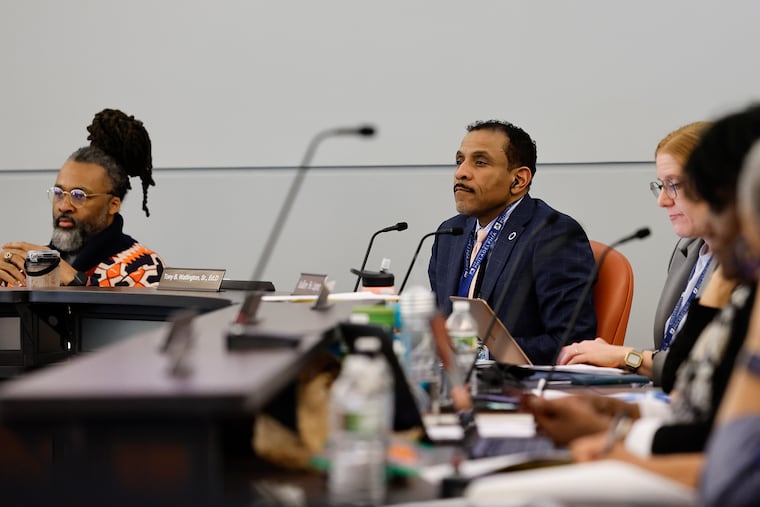
Philly school board to gather public input on potential school closures, wellness policy, and other topics.
The Philadelphia School Board convened for a public hearing aimed at addressing pressing issues within the district, starting at 4 p.m. on a recent Thursday. During this session, community members voiced concerns on various topics, including the delayed publication of a facilities master plan and the district’s wellness policy, which has been under scrutiny for necessary adjustments.
Speakers highlighted critical issues affecting education in Philadelphia. The master plan, which details potential school closures, is anticipated with significant public interest given its implications for the community. The delay in its release has frustrated many, as stakeholders seek clarity on the future of the district’s schools.
The wellness policy has also come under fire. Advocates argue that the current draft lacks essential provisions, particularly around ensuring children’s access to basic needs such as bathroom and water breaks. This policy, set for a vote later this month, is especially contentious, with many parents expressing concern that it does not adequately address the priorities surrounding students’ health and well-being.
A notable point raised during the hearing included the issue of accessibility at Olney High School. Attendees reported that students with mobility challenges are struggling to access classes on upper floors due to malfunctioning elevators, prompting calls for urgent repairs and safety measures.
Community member Toya Diggs-Clay emphasized the need for schools to be aware of the trauma many children face, advocating for more supportive programs and events within schools to foster a caring environment. Additionally, Emily Joy Goldberg, a speech language pathologist and parent, urged the board to reassess its strategy of co-locating schools, arguing that adequate staffing is crucial to providing effective services to students with special needs.
The session not only served as a platform for parents and educators to address immediate concerns but also signaled a larger conversation about the district’s commitment to providing an equitable and supportive educational environment. As the hearing continues, stakeholders hope the board will take their voices into account, shaping future policies that genuinely reflect the needs of Philadelphia’s school community.
This ongoing dialogue underscores the importance of communication between the school board and the public, as various interests converge to seek solutions that benefit all students in the district.