Philly schools replace water fountains with 2,404 water bottle filling stations for improved hydration options.
The Philadelphia School District has successfully met a significant legal mandate by installing 2,404 water bottle filling stations across its schools, thereby eliminating outdated water fountains by the June 1 deadline. This initiative aims to mitigate health risks associated with lead contamination in drinking water sources, a pressing concern highlighted by various advocacy groups.
According to a 2022 study conducted by PennEnvironment alongside a coalition of local nonprofits, a staggering 98% of water sources tested within the district exhibited some level of lead contamination. In response to these troubling findings, the Philadelphia City Council enacted legislation in 2022 that granted the school district three years to replace all existing water fountains. The law stipulated a minimum of one lead-filtering filling station for every 100 students, emphasizing the city’s commitment to ensuring safe drinking water.
Historically, the school district operated under regulations allowing a lead threshold of 10 parts per billion in school drinking fountains. However, leading health organizations, including the American Academy of Pediatrics, assert that there is no safe level of lead exposure, particularly in children. Exposure to even low levels of lead can lead to significant behavioral issues and cognitive impairments.
Spokesperson Monique Braxton confirmed that the school district has adhered to the City Council’s timeline, reporting the availability of approximately 360 additional units funded by a federal Environmental Protection Agency grant aimed at advancing clean water initiatives. The district’s efforts extend beyond classrooms, introducing water stations in field houses and locker rooms across various neighborhoods, including Germantown, South Philadelphia, and West Philadelphia, fostering improved student health and hydration.
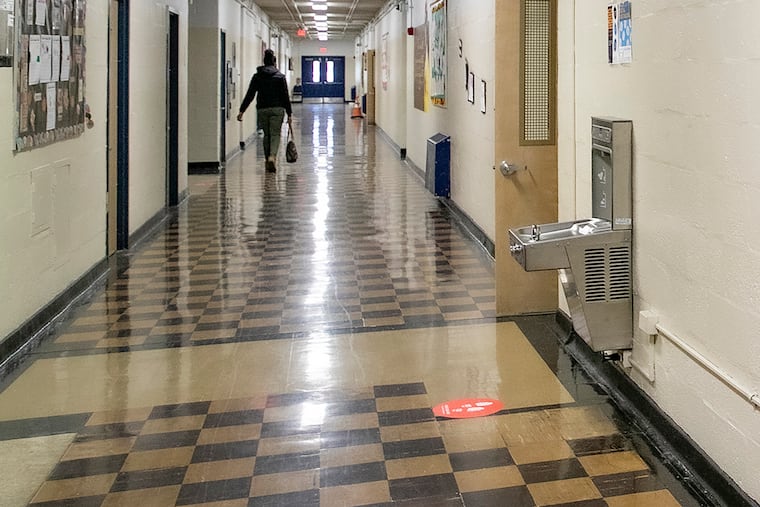
Although the old fountains remain physically present in schools, their water supplies have been deactivated pending removal. Experts emphasize that resolving such environmental issues within school systems can be costly and complex. However, the successful replacement of drinking water fountains illustrates that with sufficient funding solutions and political momentum, addressing lead contamination is achievable. This serves as a persuasive model for other school districts.
Despite this progress, Philadelphia continues to face significant environmental challenges, including lead paint and asbestos present in many of its more than 300 aging school buildings. The school district is currently under federal investigation regarding its asbestos management practices. Recent developments suggested a proposed agreement between the district and the U.S. Department of Justice was forthcoming. However, the federal authorities announced they were not ready to proceed, leading to the withdrawal of the resolution.
As the district navigates these environmental hurdles, officials will need to maintain momentum on initiatives like the water bottle filling station project while addressing broader safety concerns within its older school infrastructure.