Philly street festivals face shutdown due to increased police overtime costs, while certain groups remain exempt from these fees.
Philadelphia’s stringent requirements for hosting public events have raised concerns among community organizers, as various neighborhood festivals and parades are now facing significant financial burdens. Reports indicate that the costs associated with municipal services, including police overtime and medical support, have soared, with some organizations receiving bills as high as ,000. This escalation in fees has prompted some event organizers to either downgrade their plans or cancel their events altogether.
Interestingly, an informal city policy appears to exempt a select group of events—primarily those associated with elected officials or organizations connected to the Philadelphia Police Department—from these costs, effectively shifting the financial burden to taxpayers. For example, a summer block party hosted by City Council President Kenyatta Johnson incurred over ,000 in police overtime expenses, all covered at the taxpayers’ expense. This raises questions about equity and transparency in how fees are assessed and waived.
A few months later, the Philadelphia Police Foundation’s “Run for Blue” marathon resulted in an eye-popping ,685 cost for police services, again fully absorbed by the taxpayer. Despite acknowledging that events organized by city officials are classified as in-house costs, the city’s Office of Special Events lacks a formal written policy outlining why certain events, like police fundraising activities and ethnic parades, are exempt from charges.
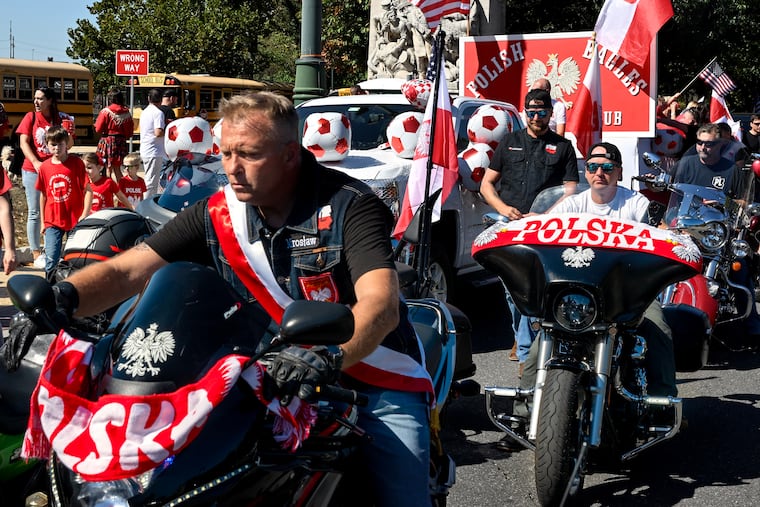
Notably, major annual events such as Wawa’s July 4th Welcome America were similarly exempted from substantial fees that smaller festivals now struggle to pay. The city maintains that various cultural festivals, including events like the Pulaski Day Parade and the Odunde Festival, are grandfathered in under long-standing, informal agreements.
A sample review of invoices indicates discrepancies across events; for instance, while North Philly’s Puerto Rican Day Parade is exempt from police costs, a separate Puerto Rican cultural event incurred a ,000 fee. Rising expenses can be attributed to several factors, including increased security issues, contractually obligated pay raises, and a notable shortage of approximately 1,500 police officers. This shortage has necessitated reliance on overtime staffing, leading to exorbitant costs for event organizers.
City officials have long grappled with rising event costs, often resorting to ad hoc agreements rather than structured policies. Past arrangements have left event organizers feeling squeezed by an uneven billing system, where some entities with connections enjoy exemptions while others endure escalating fees.
The future remains uncertain for many popular local festivals, as rising costs threaten their viability. Organizers are now calling for a more equitable system that provides clarity and fairness for all parties involved. Efforts to pivot toward events that demand less from city resources, such as those not requiring street closures, are ongoing. However, this change may lead to a decrease in attendance and engagement, raising further questions about the sustainability of community events in Philadelphia.
This complicated landscape underscores the need for a reevaluation of how the city manages public events, reflecting a balance between safety, community engagement, and financial responsibility.
Media News Source