Philly’s outsourced foster care system faces criticism as social workers manage excessive caseloads, according to advocates.
A recent hearing held by Philadelphia’s City Council unveiled significant concerns regarding the operational metrics used by the Department of Human Services (DHS) to evaluate social workers within the city’s foster care system. Advocacy groups voiced their belief that the current method, which quantifies caseloads by the number of families rather than individual children, is inadequate and places undue strain on frontline workers.
DHS Commissioner Kimberly Ali defended the department’s practices, asserting that the city allocates sufficient funding for nonprofit organizations responsible for foster care services, which ideally allows social workers to manage approximately ten cases simultaneously. However, current statistics indicate that these case managers are operating with an average of 11 cases each.
In Philadelphia, a case is defined as a family unit, regardless of how many children may be included within it. This differs from standard practices in other jurisdictions, where caseloads typically account for the individual number of children involved. Donna Cooper, executive director of Children First PA, highlighted this disparity, emphasizing the need for Philadelphia to adopt a more widely accepted approach.
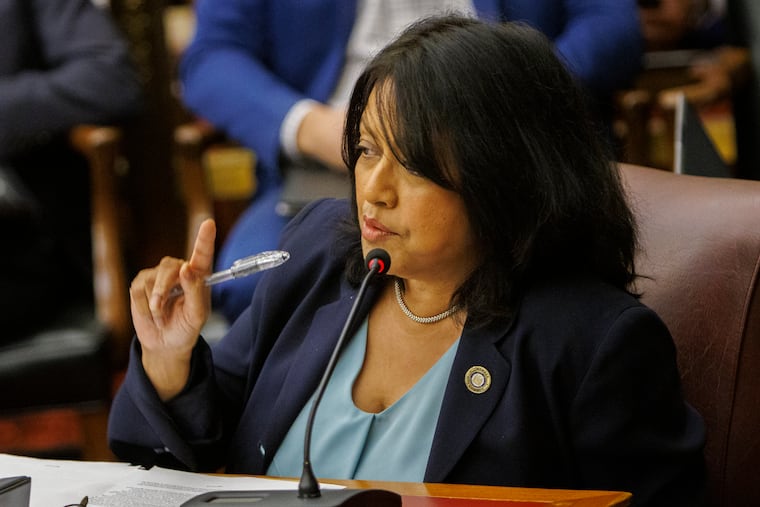
The hearing emerged from an investigation by The Philadelphia Inquirer, which exposed systemic flaws within the city’s foster care model, in place since 2013 and reliant on a network of nonprofit organizations known as Community Umbrella Agencies (CUAs) for case management. Councilmember Nina Ahmad, chairing the hearing, remarked on the findings and the urgent need for transparency and reform in the system.
The investigation revealed alarming statistics, including annual staff turnover rates within the nonprofit network that can reach as high as 40%. Furthermore, incidents of child deaths and near-fatalities have not seen a significant decline since the implementation of the current system. The CUAs are reportedly facing numerous legal challenges, with nearly 70 lawsuits alleging failures to protect children, resulting in severe consequences, including fatalities in some cases.
Despite the scrutiny, Ali contended that DHS has made strides in prevention efforts to keep families intact and reduce the necessity of child removals. She noted that community-based service providers had assisted over 6,000 children in recent fiscal years by offering essential support to families.
In light of continuous turnover among CUAs and challenges faced by nonprofit providers, suggestions have been made to alleviate the burdens on social workers and expand support for these agencies, including extending legal immunity and reforming how caseloads are measured.
The Department of Human Services holds a budget of approximately 3.6 million for the present fiscal year, with a significant portion originating from state funding. As local nonprofits strive to meet the demands of their roles, the upcoming committee review scheduled for September aims to further scrutinize DHS’s child welfare services and assess potential reforms. The outcomes of this inquiry could pave the way for vital changes in how Philadelphia approaches child welfare, impacting both service providers and families in need throughout the city.