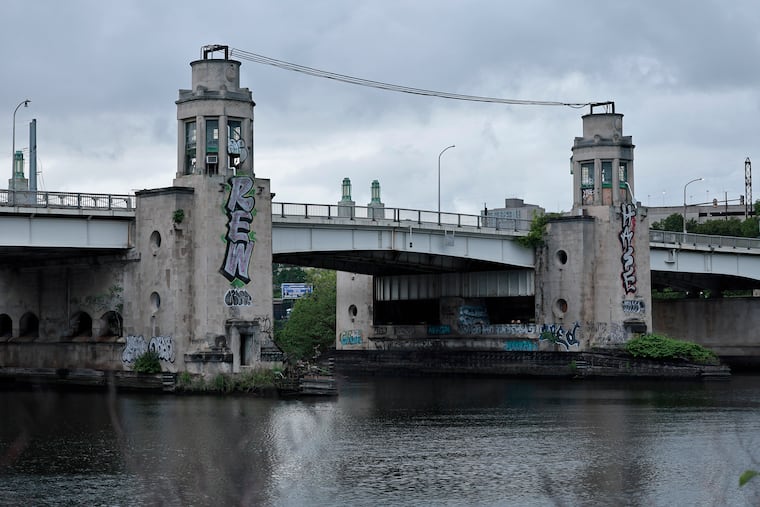
Philly’s University Avenue Bridge faces neglect despite its significance and charm.
The University Avenue Bridge, a long-standing emblem of structural elegance in Philadelphia, stands as a poignant reminder of architectural artistry amidst urban neglect. This bridge, conceived as part of the City Beautiful movement, was originally intended to counter the forces of industrialization and urban degradation. However, its current state—characterized by missing windows and environmental reclamation—reflects a stark decline from its original splendor.
Connecting the neighborhoods of West Philadelphia and Grays Ferry, the bridge epitomizes a vision of civic architecture that is now marred by decay. The once-functioning drawbridge is inoperative, its mechanical components buried under debris and stripped of valuable electrical mechanisms, leaving it as a monument to a bygone era when it served a vital transportation function. The operator’s houses, designed with stylized features of the early 20th century, now appear neglected and uninviting, with evidence of trespassing and the theft of bronze doors that exacerbates the structure’s dilapidated condition.
A recent initiative aimed at revitalizing the aesthetic appeal of Philadelphia’s gateways, including the University Avenue Bridge, has failed to allocate necessary funds for its preservation. The bridge, despite its strategic location near a rapidly developing medical district that has seen significant investment, has not received the attention it deserves. The Pennsylvania Department of Transportation is reportedly in the preliminary stages of addressing some debris and graffiti, yet an estimated million restoration project necessary for its full revival remains unfunded.
The current deteriorating condition of the University Avenue Bridge contrasts sharply with its charming architectural details, which have garnered accolades from architectural historians. Not limited to mere functionality, the bridge was intended to be a space of artistic expression. Its design, reminiscent of other notable works by esteemed architect Paul Philippe Cret, is distinguished by intricate friezes, including motifs inspired by marine life, further connecting it to the city’s maritime history.
Currently categorized as “poor” by PennDot, the bridge’s structural integrity is still deemed sufficient for safe use. However, its last comprehensive rehabilitation was in the mid-1980s, and since then, it has morphed from a vital connector to a neglected artifact. As Philadelphia continues to evolve, the University Avenue Bridge’s role should not merely be as a functional thoroughfare but should also embody the cultural and historical memory of the city—an intersection of urban planning, art, and the shared experiences of its citizens.
While the University Avenue Bridge may lack the grandeur of some of Philadelphia’s other crossings, its unique design elements and historical significance underscore the need for immediate attention. This structures’ future not only hinges on tangible repairs but also on the recognition of its importance in the larger tapestry of Philadelphia’s urban landscape. By fostering a renewed commitment to its preservation, stakeholders can ensure that this bridge continues to inspire future generations, highlighting the vital relationship between art, architecture, and the community.
The University Avenue Bridge is much more than an antiquated means of transportation; it is a vital piece of Philadelphia’s identity, serving as a connector not only of roads but also of memories, experiences, and artistic legacy. As such, it remains crucial to advocate for its preservation, ensuring that it continues to serve as a reminder of the city’s past and a beacon for its future.
This narrative resonates deeply within the ongoing conversation around urban infrastructure and its ability to reflect the aspirations of the communities it serves. A call for action is needed to redefine not just the physical state of the bridge but its cultural and aesthetic contributions to the vibrant city of Philadelphia.
Media News Source