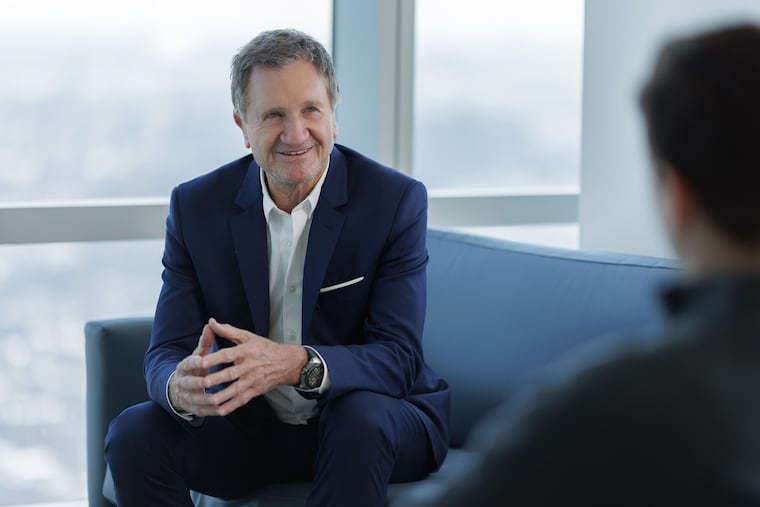
Pierre Brondeau aims to restore FMC, the global pesticide manufacturer based in Philadelphia.
Pierre Brondeau has returned to lead FMC Corporation, a prominent global pesticide manufacturer, at a crucial juncture for the company. His return comes amid increasing deliberation by the board regarding the potential sale of the organization, which is among the last major corporate headquarters situated in Philadelphia.
In 2019, Brondeau stepped down from the role of CEO after implementing key strategies that had streamlined operations and boosted performance. His successor, Mark R. Douglas, introduced the concept of precision agriculture—an innovative, technology-driven approach to pesticide application that gained traction in emerging markets, including Brazil and India. Under Douglas’s direction, FMC’s stock value surged above 0 for the first time during 2020, driven by increased sales amid the COVID-19 pandemic.
However, the business landscape shifted significantly by 2023, with the company’s revenues and profits experiencing a downturn. The stock price plummeted below as Douglas departed the company, taking nearly million in severance with him. In light of these challenges and as chair of the board, Brondeau resumed day-to-day leadership with an emphasis on cost-cutting measures.
In July, FMC announced plans to divest its factories in India, although the anticipated returns would likely fall short of prior investments. Further complicating matters, the company cut dividends and initiated a process to outsource routine production tasks. Meanwhile, key executives, including Brondeau’s second-in-command, Ronaldo Pereira, departed from the organization.
In February, FMC cautioned stakeholders that recovery would not occur swiftly, casting doubt on its financial outlook for 2026. The company is facing mounting challenges due to expiring patents and the encroachment of generic competitors, particularly affecting its flagship product, Rynaxypyr—a widely utilized insecticide.
FMC’s troubles are not isolated. Major competitors such as Bayer, BASF, and Syngenta have also seen declines in their stock values over the past years. Only Wilmington-based Corteva has bucked this trend, demonstrating resilience in the competitive pesticide market.
At the age of 68, Brondeau expresses faith in FMC’s potential for recovery, highlighting forthcoming product developments and the organization’s ongoing commitment to research and development. FMC currently employs approximately 5,500 individuals worldwide, with significant presences in University City, Philadelphia, and various research facilities.
Despite the challenges, Brondeau is dedicated to maintaining FMC’s independence and reinvigorating its growth trajectory, signaling that the company is actively exploring all options, including potential sale scenarios. The path forward for FMC remains contingent on navigating the intricate dynamics of the agricultural sector, where cyclical trends and pricing pressures can substantially impact profitability.
Brondeau remains optimistic that as the company adheres to its strategic plan for 2026, FMC can reverse its fortunes and return to growth in subsequent years. The focus on sustaining and enhancing R&D investments reflects a long-term vision for revitalization, positioning FMC to emerge successfully from its current predicament.
As Brondeau aims to safeguard FMC’s future amidst adversity, his leadership will play a pivotal role in the company’s ability to navigate these turbulent times while preserving its legacy within the Philadelphia business landscape.