Plan to expand Masterman School may displace local children, supporters warn.
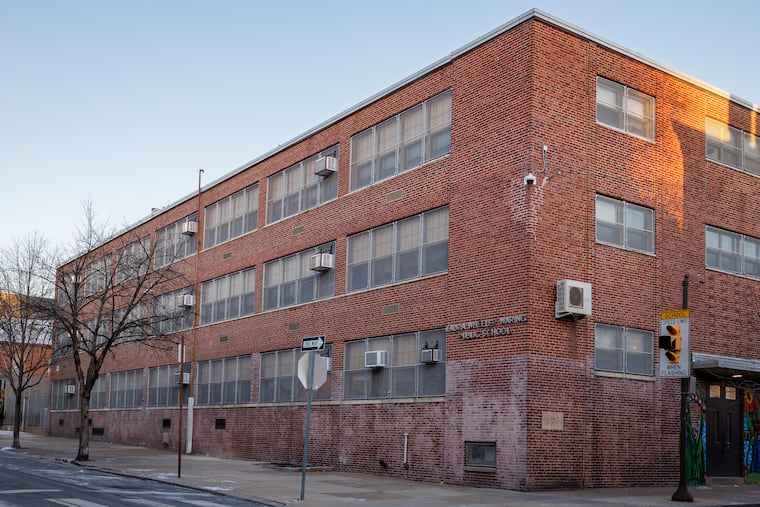
The Philadelphia School District has announced plans to close Laura W. Waring School, a K-8 institution in Spring Garden, by the 2031-32 school year, marking a significant community upheaval. This decision has sparked a wave of discontent among families and staff, particularly as the district intends to repurpose the school’s building for a new middle school that will serve Julia R. Masterman High School, a well-regarded magnet school that currently accommodates grades 5-12 within a single facility.
Waring is among 18 public schools in Philadelphia slated for closure, prompted largely by declining enrollment trends. As of this academic year, the school has an enrollment of 170 students, which has dropped by over 40 since the previous year. District officials have classified Waring as “severely underutilized,” a label that has fueled concerns among community members regarding the equity of resource allocation within the district.
The proposed closure plan suggests that students from Waring will be transferred to nearby Bache-Martin School, which is already experiencing overcrowding and must absorb students from both Waring and Robert Morris School—another institution facing closure. This move has led some stakeholders in the Waring community to feel that the district’s actions disproportionately favor students from predominantly white and Asian demographics at Masterman, while marginalized Black and Latino families are left to navigate adverse results.
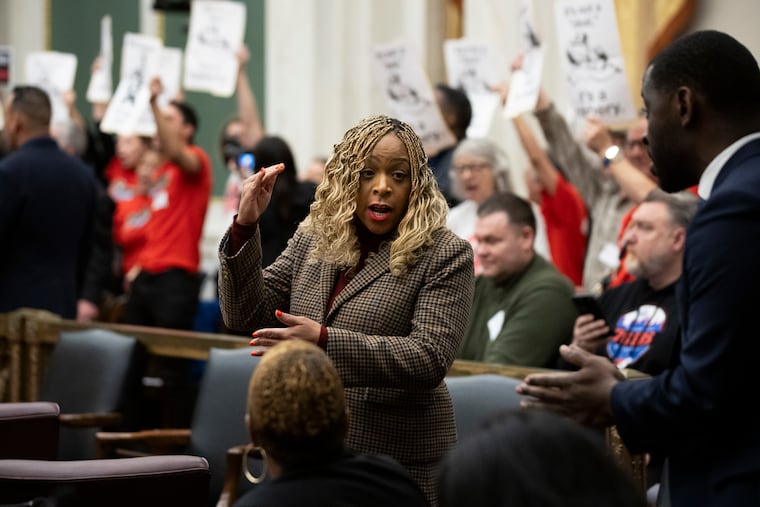
Community members, such as Gloria Castro, a parent of a child with autism, voiced their frustrations at a recent district meeting, questioning why the district had not invested adequately in Waring over the years. They expressed disbelief that significant funding would now be allocated to maintain Waring’s infrastructure and programming ahead of its impending closure. While district officials emphasize improvements in electrical distribution and air-conditioning as signs of ongoing care for the school, skepticism remains.
Waring’s declaration of being underutilized seems contradictory to the reported success of its smaller class sizes, which teachers claim have been instrumental in providing tailored support to their students, including those with special education needs. With Waring exhibiting a modest rise in kindergarten enrollment this year and improvements in standardized test scores in recent years, the push to close the school raises questions about the district’s long-term strategic vision.
As the timeline for Waring’s closure extends until 2032, concerns linger that the school’s gradual decline may deter prospective students and families from enrolling, while also stunting further investment in its facilities. The controversial decision reflects broader challenges in balancing quality education and equitable resource distribution within urban school districts.
The future of Waring remains uncertain, as community members and educators continue to advocate for the viability of their school and resist the decision, underscoring that a successful educational environment is closely tied to community support and investment.