Pope Leo XIV Arrived on Villanova Campus in the 1970s
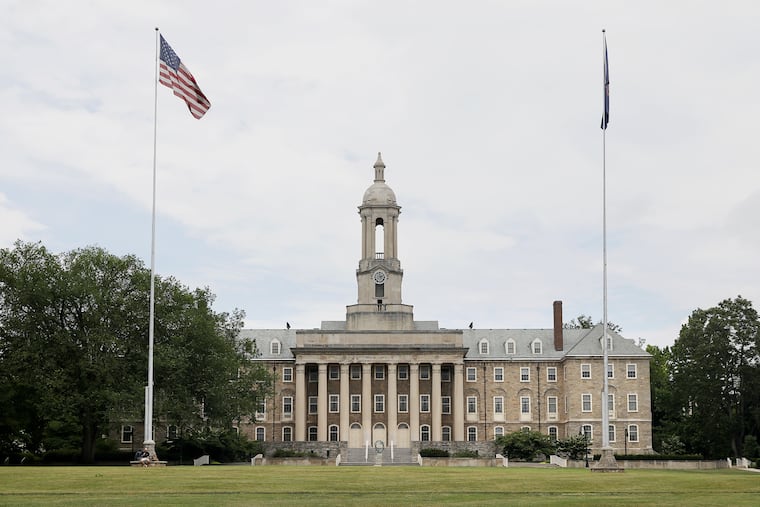
In the summer of 1973, as the Vietnam War persisted and the Watergate scandal unfolded, Villanova University, located on the Main Line outside Philadelphia, found itself at a cultural impasse. This Catholic institution, traditionally quiet and conservative, was undergoing significant changes amidst a backdrop of national turmoil, with pressing issues surrounding gender segregation in dormitories and the growing presence of technology in education.
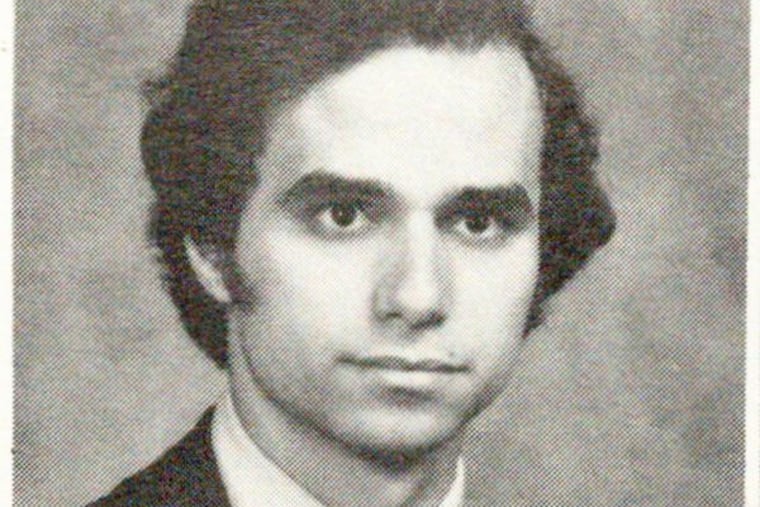
During this pivotal year, an 18-year-old mathematics student named Robert Francis Prevost, who hailed from Chicago’s South Side, embarked on his journey as a freshman at Villanova. Prevost’s background—a son of an educator and a librarian—would eventually lead him from academia to the priesthood, and ultimately, to his recent elevation as Pope Leo XIV, marking the first U.S. pontiff in history.
Historical accounts and interviews reveal that during Prevost’s time, Villanova was grappling with its identity. Students voiced frustration over the institution’s conservative policies while they navigated the social pressures of their time. The tuition at Villanova was approximately ,000 a year, a considerable sum for many families. As students grappled with the restrictive social norms imposed by the administration, they sought to challenge outdated practices regarding dormitory cohabitation and drug policies.
The university’s leadership was busy restructuring in an attempt to modernize its academic offerings amidst declining enrollments. Significant resistance came from students and faculty alike, leading to a wave of campus activism that echoed the national protests of the 1960s. The student newspaper often echoed sentiments of dissatisfaction, describing faculty as dispirited and the academic environment as stagnant. Tensions escalated in January 1974 when campus security conducted dorm raids, resulting in student suspensions for drug violations, which in turn sparked widespread protests.
By mid-1974, several hundred students protested against the administrative response, insisting on changes to visitation policies and the reversal of suspensions. The protests culminated in civil rights lawsuits and significant reforms in university policies, marking a historic shift in Villanova’s approach to student governance and social issues.
Amid these challenges, Prevost, characterized as humorous and socially aware, was shaped by a milieu that encouraged engagement with pressing societal issues such as immigration and poverty. His interactions and experiences within the Villanova community undoubtedly contributed to his future leadership within the Catholic Church at a time of significant societal division.
Villanova’s evolving landscape during Prevost’s formative years reflects the broader transformations occurring across America, as students sought to reconcile their faith with an ever-changing world. The knowledge that this intellectual and spiritual evolution within Villanova served as the backdrop for Pope Leo XIV’s ascension provides a unique perspective on the intersection of education, spirituality, and societal change.
As the university commemorates this milestone in its history, it continues to reflect on how the ideals of intellectual rigor and social justice remain central to its mission—principles that shaped not only Prevost’s journey but could well guide his pontificate.
Media News Source.