Poverty in Philadelphia and suburbs requires attention from local leaders, highlighting the need for a comprehensive regional response to the issue.
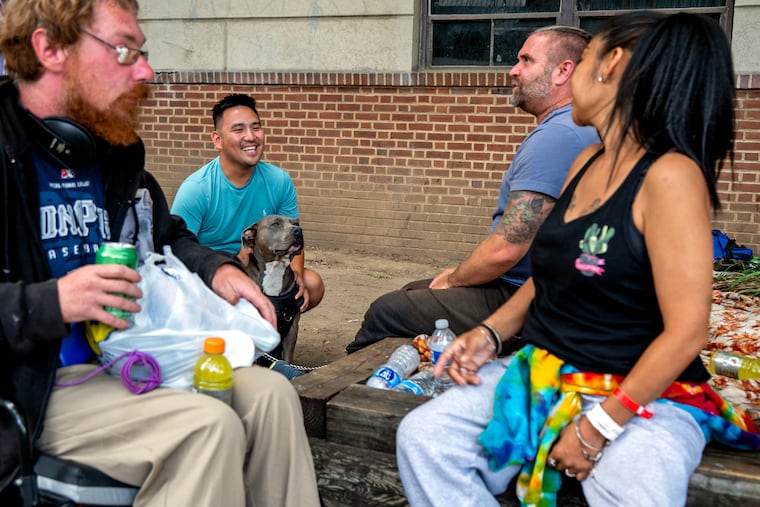
In Southeastern Pennsylvania, economic disparities have been stark, with Philadelphia historically labeled as the nation’s poorest large city, juxtaposed against its affluent collar counties. The regions of Bucks, Chester, Montgomery, and Delaware Counties showcase some of the lowest poverty rates in the state, yet the existence of poverty persists within these suburban areas, affecting over 180,000 individuals who live below the poverty line.
Experts have long noted that despite lower poverty rates, suburban communities have inadequately addressed the needs of those struggling with low incomes. The ongoing shifts in policy and attitudes among suburban leaders indicate an emerging commitment to respond more effectively to these challenges. This transformative approach highlights the realization that poverty is not exclusively an urban issue. With median incomes in the suburban counties often nearing double those in Philadelphia, maintaining a standard suburban lifestyle proves difficult for low-income residents.
The challenges are exacerbated by housing and transportation policies that prioritize detached single-family homes on expansive lots, significantly limiting affordable housing options. Transit systems in these areas frequently lack efficiency and frequency, raising mobility and living costs. For context, median housing values in Bucks, Montgomery, and Chester Counties hover between 2,000 and 6,000, while Philadelphia’s average stands around 0,000, creating a stark division in housing accessibility.
The term “snob zoning” aptly describes the regulations that inhibit socioeconomic diversity in these suburban communities, making it prohibitively difficult for low-income and even middle-class individuals to live there. Compounding this issue, transportation costs further burden families; the average cost of car ownership is estimated at approximately ,000 annually, compared to lower public transit options, which can still amount to ,000 or more per year.
Historically, this environment has allowed suburban governance to overlook poverty as primarily a city-centric problem, leading to complacency towards the challenges faced by suburban poor. However, recent developments suggest a promising shift.
Montgomery County officials have taken significant steps towards addressing housing insecurity, evidenced by the increase of 190 temporary shelter beds across various municipalities, even amidst community pushback. These efforts reflect a growing bipartisan commitment to tackling these pressing issues, with officials also advocating for more inclusive housing policies.
Furthermore, recent local elections have seen shifts in priorities, with newly elected commissioners in Lower Merion Township emphasizing walkability and transit accessibility. Delaware County has also established its first health department, which aims to enhance community well-being.
The collective actions of leaders across Bucks, Chester, Montgomery, and Delaware Counties toward sustainable and inclusive suburban development signal an optimistic trend. If successful, these coordinated efforts could bridge economic divides, fostering environments where support systems are accessible regardless of one’s location. In this way, the long-standing perception of poverty as solely a Philadelphia issue may soon evolve, heralding a more equitable future across the region. Media News Source.