Proposed legislation seeks to prohibit the opening of new convenience stores and pharmacies in Kensington.
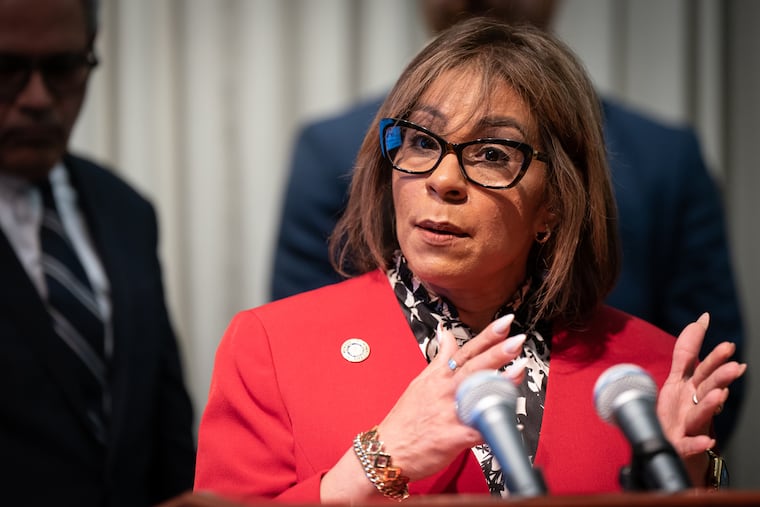
In a significant move aimed at regulating what she deems nuisance businesses, Councilmember Quetcy Lozada introduced a zoning bill on Thursday designed to restrict the establishment of new pharmacies and convenience stores in Philadelphia’s 7th district. This district encompasses areas such as Kensington and parts of Northeast Philadelphia, which have seen a noticeable increase in businesses that Council and constituents consider detrimental to community well-being.
Under the proposed legislation, ventures selling sundries, pharmaceuticals, and convenience goods would be required to obtain approval from the Zoning Board of Adjustment (ZBA) before opening. While Lozada has stated that the bill does not specifically target chain retailers like CVS or 7-Eleven, they too would be affected by these new regulations.
Lozada emphasized that the primary concern revolves around independent convenience stores that seemingly spring up overnight. These establishments, according to her, often sell drug paraphernalia and attract illegal activities, thereby harming surrounding neighborhoods. Her assertions are supported by a series of legislative efforts made by City Council in recent years aimed at controlling the proliferation of businesses that engage in dubious practices, such as operating skill games or selling potentially harmful substances often marketed as legal products.
This zoning bill follows a controversial late-night business curfew that Lozada previously advocated, requiring businesses to shut down by 11 p.m. Despite pushback from small business owners, including those in the pharmacy and food truck sectors who cater to late-night patrons, the curfew was enacted without Mayor Cherelle L. Parker’s signature, leaving many to question the legislative landscape for local businesses.
Critics have voiced concerns regarding the implications of the new zoning bill. The Virginia-based libertarian Institute for Justice has opposed the initiative, arguing that existing nuisance laws already grant the city sufficient authority to address problematic businesses. They warn that while the legislation may not be as severe as the curfew, it could nonetheless stifle new business opportunities within the district.
Moreover, the ZBA process, while allowing for the potential approval of new establishments, is known for being lengthy and expensive, posing an additional hurdle for prospective business owners. The unpredictable nature of zoning applications, influenced by neighborhood dynamics and political pressures, could further deter entrepreneurs from pursuing opportunities in the district.
As Lozada and her supporters frame this legislation as an essential step in enhancing community quality of life, the broader implications for small businesses and economic growth in the area remain a topic of critical discussion. The Council’s approach to zoning and business regulations reflects ongoing tensions between community safety, business interests, and the complex regulatory environment affecting Philadelphia.