Protests arise in response to federal immigration enforcement actions following shootings in Minneapolis and Portland.
MINNEAPOLIS — The recent fatal shooting of a woman by an Immigration and Customs Enforcement (ICE) officer in Minneapolis has ignited a wave of protests across the city, with demonstrators expressing their outrage over the incident. The shooting of Renee Good, which occurred amid intensified immigration enforcement operations, has drawn further scrutiny of federal agents’ activities nationwide. As protests unfolded in Minneapolis, another incident in Portland left two people wounded, further amplifying concerns regarding federal law enforcement practices.
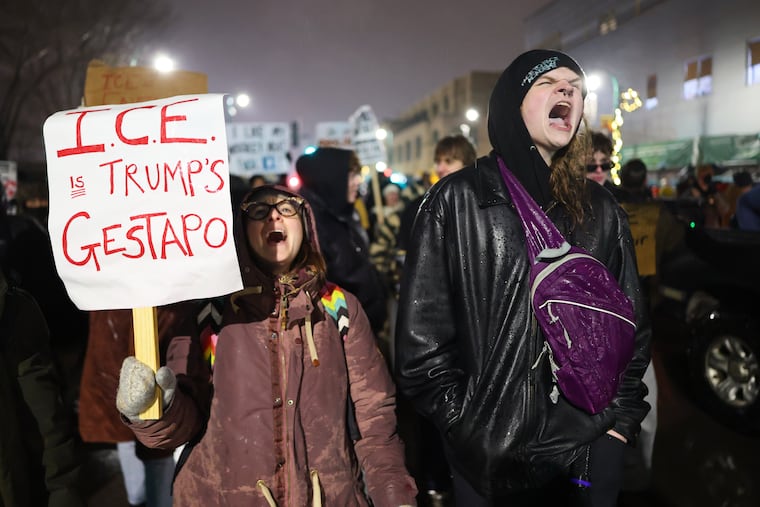
Hundreds took to the streets of Minneapolis in the frigid rain, marching with slogans such as “ICE out now” and placards demanding an end to what they termed “killer ICE.” The demonstration followed the shooting, which marked a troubling trend of violence associated with immigration enforcement and echoed the city’s historical struggles with police-related incidents.
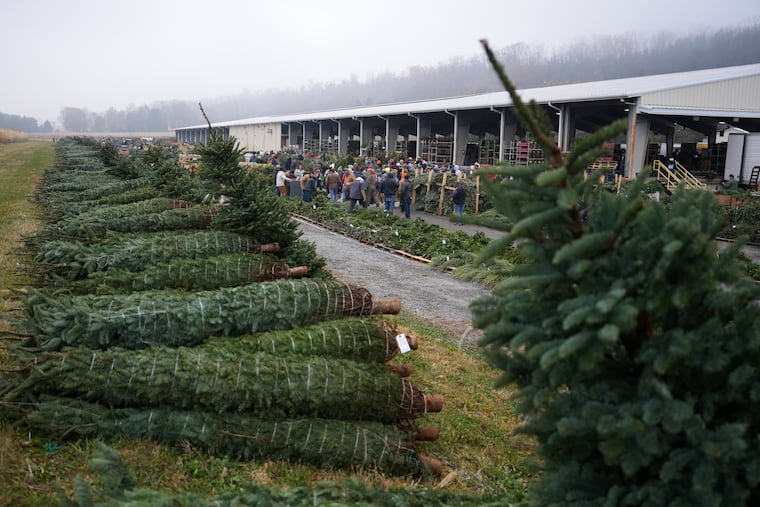
City officials took steps to clear makeshift barricades in the aftermath of the shooting, while public memorials for Good remained in place. Streets were blocked by items including debris and discarded Christmas trees, with city crews working to maintain public access.
In Oregon, where the recent shooting occurred outside a hospital, both the FBI and the Oregon Department of Justice began investigations into the incident, which involved a man and woman shot while inside their vehicle. Their conditions have not been released. Demonstrations ensued in Portland, with calls from local leaders to halt ICE operations pending a full investigation.
As the fallout from the Minneapolis shooting continued, the Department of Homeland Security (DHS) defended the actions of its officers, claiming the shooting was justified due to alleged threats posed by Good, while critics, including city officials and community members, dismissed such claims, questioning the self-defense narrative presented by federal authorities.
Homeland Security Secretary Kristi Noem and other administration officials have characterized the Minneapolis incident as one of self-defense. However, local leaders, including Minneapolis Mayor Jacob Frey, have disputed these assertions, urging a thorough investigation into the events leading to Good’s death. The DHS has faced accusations of circumventing local investigative jurisdiction, complicating the situation further.
Good’s tragic death is noted as one among several deaths associated with heightened immigration enforcement since the Trump administration took office. Furthermore, state officials have voiced concerns about the lack of state involvement in investigations into these shootings, emphasizing the importance of transparency and accountability.
The Minneapolis shooting came on the heels of a substantial immigration crackdown in the Twin Cities, marking the largest enforcement operation in the region’s history, with thousands of arrests reported. The urgency of community responses illustrates ongoing tensions surrounding immigration policies and federal law enforcement methods, underscoring a broader national conversation about the intersection of public safety and immigration enforcement.
Inquiries into the events of Good’s shooting will take time and are expected to keep the community engaged as more details emerge, shaping the future discourse on immigration and law enforcement practices.